So You Want To Be A Parent?

My mother is a ‘ground-up’ type of person. She is like an iceberg. What you see is merely the tip, a lot goes on beneath the waterline to solidify the top that you see. She is a firm believer of substance, not form.

Thus, my mother had always taught me that I had to learn to love cooking before becoming a mum. Not merely to learn to cook, but to learn to love cooking. Her rationale is learning to love cooking is not merely about putting food on the table, but cultivating a mindset where there is a genuine desire to nurture and care for another human being.

“Saying ‘I love you’ is easy. We can say it without too much effort, without any sacrifice,” she would say. “But at the most basic level, feeding someone with the food that you have prepared with your hands and heart speaks more meaningfully.”

My mother made a lot of comfort food, especially in the winter months. I complained about her tendency to over-cook. I chided her for using too much cream, too much cheese and too much butter. But I fly home like a homing pigeon to her sunny kitchen in Portsmouth, Hampshire, lured by sweet memories of sitting here in her kitchen, doing my homework, waiting for her simple food to be served.

My mother’s food healed me, and slowly, as I grew into a young woman, I grew to love cooking, though it was not an intuitive thing for me to do. I was a physical, outdoorsy person, impatient and driven. Spending time in the kitchen was definitely not on my agenda. In my youth, I have always felt I had more important things to do in life than the menial task of cooking.

But slowly, there was a shift in my paradigm as I understood my mum’s philosophy. It doesn’t have to be cordon bleu. It doesn’t have to be show-off food. It can simply be a bowl of creamy mashed potatoes; it can be a piping hot bowl of spaghetti. It can be hearty soup made from leftovers. It is just something that you have dedicated your time to giving someone; it is the embodiment of your intention to care for another person’s wellbeing. It is like giving your energy to nurture someone else without the grand gestures or easy words.

When I lived in Jakarta, a man called Antonio Castellano cooked for me. He wasn’t a professional cook, but a management consultant working for McKinsey & Company. His specialisation is the global energy industry, but he has an Uncle Sal who sends him Sicilian recipes from home. Unusual food that you couldn’t get in an Italian restaurant in Jakarta, Singapore, Kuala Lumpur, or probably anywhere in Europe for that matter, except perhaps in Sicily. Spaghetti coated in anchovy oil and breadcrumbs, sprinkled with capers. I watched him cook for me, this diminutive blue-eyed Italian, and I finally understood the power of my mother’s philosophy. I rather think I fell in love a little, just a little, for this is the first time a man has ever cooked for me.

I saw the beauty of food cooked with love through Antonio’s giving. I morphed into someone who genuinely loves cooking. I began to smile and hum whenever I cooked. And in my late thirties, I went back to my mother to tell her that I finally understood what she meant about a love for cooking. I had met someone who showed me his love in this deep, honourable and beautiful way.

But my mother, she said, “You have to love gardening, if you want to genuinely love cooking.”

I disliked gardening, though I have put in the hours as a teenager.

“Gardening is like raising children, Jack,” she said to me. “You nurture a plant, watch it grow, and be pleasantly surprised by it each day. There is something to love about your plant each day. And most of all, it teaches you patience and acceptance.”

“I don’t see what it has to do with cooking,” I said sulkily.

And my mother told me. Cooking is not about what you put on the table. The process starts long before coming to the stove. It is about feeling Nature, and being thankful for what we have been so abundantly blessed with. It is not a science, but a primal emotion. If we can translate that thankfulness into the food we cook, we create family consciousness.

“I don’t know why cooking schools start with the fancy stuff,” my mother mused. “It should all be about going to the garden, smelling the herbs, tasting the fruits, being familiar with the earth first. Not knives and pots and pans.”

“Ma, I buy organic food,” I sulked, as I dug the earth this summer at the vegetable patch. “It’s good enough.”

“Oh, Jack, put more energy into your digging!” She laughed gaily at me, watching me with love in her eyes. “We need good soil for the new plant we bought.”

I frowned and sulked. She came to stand by me. “You need to get to the soil on the lower layers. “

With some difficulty, she knelt on the flowerbed beside me, and took the small spade from my hand. She began digging energetically, scooping the earth from the lower layers into the flowerpot.

“Jack, this is like parenting and grandparenting. We, the parents and grandparents, are the top layer. We have had our time. But the layers beneath, that’s where all the top layer’s nutrients have leached down to. We want that layer, because that’s the best of us. See?”

I looked at her in amazement. Yes! That is the true gist of parenting – we pass our goodness down to the next layer, protecting it, nurturing it, for it is our continuity, our immortality. From here to the kitchen table, the circle of life. It’s all related, in a magical way. Thank you, Ma, thank you.

“And Jack, no short cuts,” my mother said with a small smile that carried the warmth of the whole sun in it. “Learn to enjoy gardening, love.”
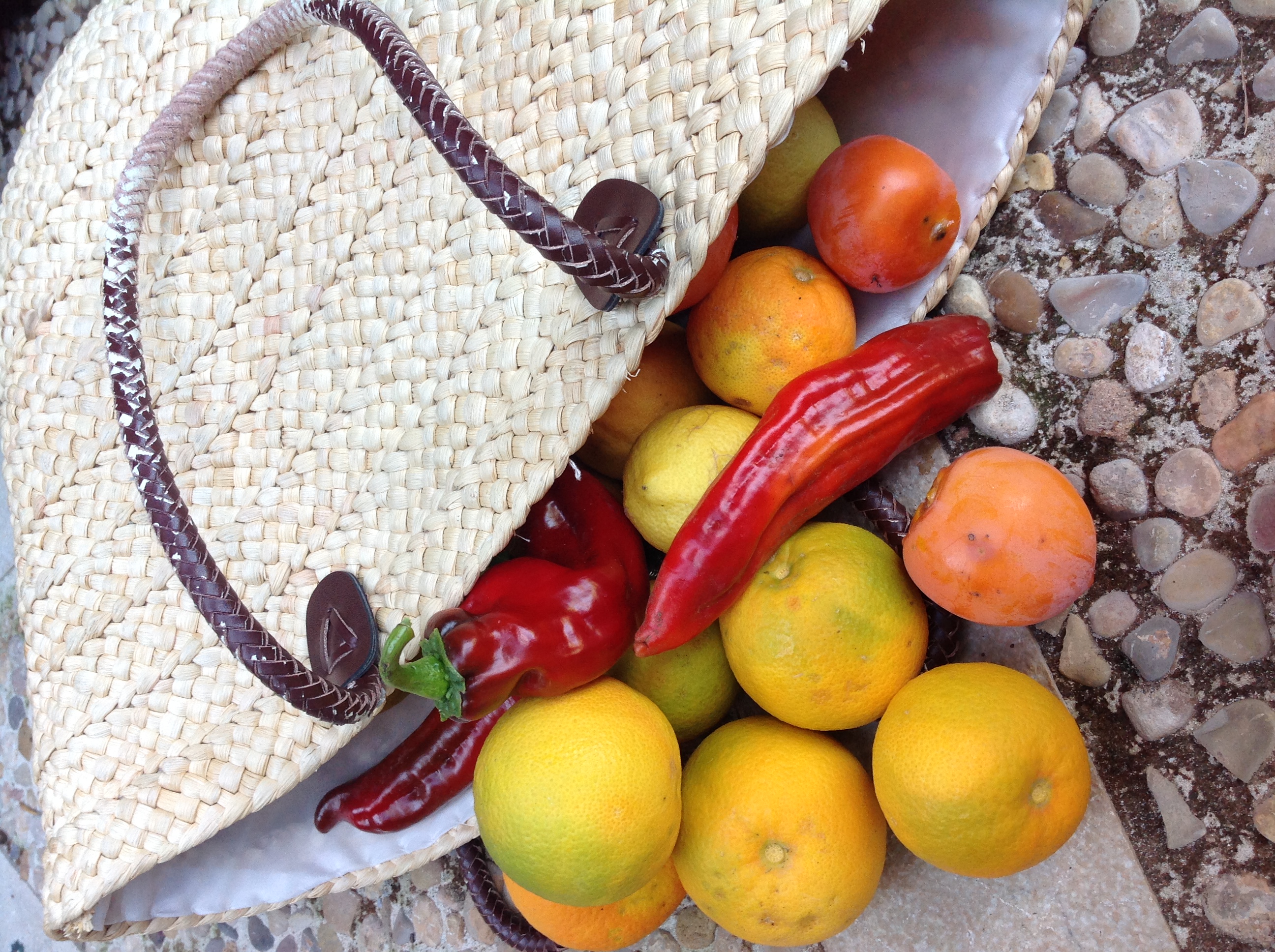
fruits

Water safety for teenagers

I told my baby-daddy’s parents that swimming tops my list of life-skills, and that their grandchildren will be in the pool by the end of their first week in the world. It is not only a life-skill, but a life-saving skill.

Being able to swim isn’t enough. Your child has to be a strong swimmer who is aware of the dangers. When I was at school, a couple of my friends drowned because they tried swimming across a narrow stretch of water after missing the last boat home.

G is a fantastically strong swimmer, though she doesn’t think so (which is good). Several years back, our canoe capsized in the dark, in the open sea, and she saved her own life. She could easily swim 50 metres in choppy seas. It gives us some measure of comfort that she knows about rip tides too, and she is sensible about the dangers of the open sea. We are going to Australia for Christmas, and she has researched all the dangers about Australian seas already.

Yesterday, she was fooling around on a yacht; this Saturday she is going out on a yacht with a bunch of teenagers. We just gave her four laws that she must obey: (1) when in open seas, never swim more than 20 metres from the yacht (2) always inform someone if you are swimming in the sea (3) if jet-skiing or water-skiing, you must wear the right lifejacket, which is the one that lifts the head out of the water and (4) do not dive!!!!!

“It is also a social skill,” G smirked. “Many girls can’t swim, or are feeble swimmers, and they just sit around looking pretty and helpless, whilst I have real fun. With the boys.”

Roadmap for raising Gs: https://raisinghappystrongkids.com/2014/08/18/roadmap-for-raising-children/

A Quirky Take on Aglio Olio

Aglio olio is the staple of most Italianas, and I am no different despite possessing only 25% Italian genes. Once you make the oil (which can last for days), all you need is spaghetti and perhaps some fresh parsley or basil and parmesan cheese for a superb, soul-nourishing comfort food, namely the classic spaghetti aglio olio.

Today, I made zucca aglio olio from the pumpkin I picked up on my drive in rural Phuket.  I decanted the oil into a jar and used some for spaghetti. I then used pumpkin slices to ‘wipe’ clean the saucepan, and baked those pumpkin slices (I sprinkled some freshly ground sea salt over them). The baked pumpkin aglio olio tasted heavenly!

Recipe for my aglio olio:

1/3 cup good olive oil

8 large garlic cloves, cut into thin slivers

1/2 teaspoon crushed red pepper flakes

Add the garlic and cook for 2 minutes, stirring frequently, until it just begins to turn golden on the edges-don’t overcook it! Add the red pepper flakes and cook for 30 seconds more. Turn off heat. Ensure that the red pepper flakes do not burn!!

Decant into a clean jar for later use.  Serve with piping hot spaghetti, topped with grated parmesan cheese, basil or parley and freshly ground salt and pepper.

And here’s the aglio olio served the traditional way, with spaghetti:

aglio olio

Note: my friend Azlan  Adnan suggested slicing the garlic thinly with a razor for that extra flavour.  Good advice!


GO ON, TRY IT!

One of my Facebook readers did, with an even better twist: she added the aglio olio pumpkin to the aglio olio spaghetti, and her adorable daughter loved it! Thanks, Mummy Loves Jayna!

Screen Shot 2014-10-29 at 8.30.02 AM

Seven Steps To Raising Really Strong Girls

Maybe it is just an affliction of the fairer sex, but we all have had at least a Train Wreck Girlfriend in our lives. Mine is Susannah (not her real name, of course). She is a successful musician. She is attractive, articulate and funny, with a wide circle of friends and a busy life. She lives in a nice bachelorette pad in a smart part of London. You would have thought she is happy with her lot in life. Yet for the better part of our friendship, she has spent many tearful hours on my couch, wringing the proverbial sodden tissue in her hands. Susannah lurches from one disastrous relationship to the next, and in the lull in between her emotional train wrecks, she mopes around like a lost puppy, lamenting about her single state and ticking biological clock, always on the lookout for THE man to fall in love with, and therefore end all her woes (HAHAHA).

She yearns to be loved (don’t we all) but in Susannah, that yearning stems from the myth that a man will complete her and make her life infinitely better. She comes across as desperate, and men can smell desperation from a mile away. They then head for the hills without a backward glance.

What makes Susannah a needy, childlike, romantic desperado?

Though she is musically brilliant (and earns well), she is emotionally stunted at the age of eight. She was eight when she was sent to boarding school. She fulfilled her emotional needs and got her emotional guidance from reading romantic love stories, rather than real family interactions. The result: an emotionally stunted woman. Puppy-dog eyes are cute on eight year old little girls and Mills & Boons heroines, but on a 40 year old fully grown woman, it is just not that attractive. It is rather sad, actually.

In the beginning, I tried playing matchmaker but her desperation drove them all away. I introduced her to my gorgeous friend, and she stalked him persistently, always there waiting for him with that puppy dog eyes. Later, when that fell apart, I mentioned to her that my colleague had a spare ticket for the Albert Hall – she was over in my house within the half hour, without asking me anything about my colleague other than “Is he male and single?”

I have two daughters of the ages 23 and 14. I am adamant my girls will never be Train Wreck Susannahs, and so far, they are on course, thanks to my Seven Stage Programme. In fact, they are downright feisty and independent, and both are single by choice, despite the wolves at the door.

  1. Teach little girls that Prince Charming does not exist.

Men are nice, but they are not the solution to everything. More often than not, they have more frailties and issues than you.

  1. Ensure that little girls are self-sufficient

Nobody can rescue you but yourself. Men might have the right equipment to complete women physically, but there is nothing more unattractive than a needy, clinging, emotionally deficit grown-up (of either sex) seeking completion.

  1. Live within their own means

It is unfortunate, but typically, women still earn less than men. Therefore, a man with a good job presents an attractive proposition (financial security and perhaps entrée to a nicer, more secure future). I think that’s the biggest trap that women fall into. Hello, this is 2014. You have to buy your own stuff rather than rely on the man you sleep with to do so.

  1. Enjoy their own company

I know of someone who sits like a faithful and sad Basset Hound waiting for a disinterested man to spend time with her, be it dinner or walk or conversation…..anything, gimme, gimme, gimme! She would kill time waiting for him to grace her with his attention.

Methinks Ms. Saddo is far better off having a good drink, putting funky music on loud and dancing her heart out. That’s what I am teaching my daughters. And to learn to love books, of course.

  1. Give little girls emotional security

We all have needs: shelter, food, sex. But Maslow’s triangle forgot emotional security. Many girls grow up with that piece missing in their lives because they have (i) distant, (ii) absent or (iii) busy parents. They grow into needy women, trying to fill the void by playing out roles to compel the men in their lives to give them that missing piece.

  1. Have strong family ties

It is raining in London as I am writing this. From my window, I see a couple walking past sharing an umbrella. It is an achingly romantic sight. I longed to be out there, walking under the umbrella and under the protective arm of a man.

The father of my children is halfway across the world on a football field. But strangely enough, he is not the man I thought of immediately. I thought immediately of my big brother Huw Patrick, a strong and solid presence in my life from childhood. Nobody can ever take his place in my heart. Nobody can ever take my mother’s, my father’s, my other brother’s, my children’s, my niece’s, my nephew’s, my grandparents’ place in my heart.   There is something true in the old adage: there is nothing stronger than blood (though I was an adopted child). Family are the ones who give you firm grounds to stand on, whatever the nature of your relationship. There is no place more secure than your childhood home, even if that home is just a construct of your mind.

  1. Model it!

Be a strong girl yourself! Live life with laughter lacing your days, genuine happiness lighting your path, learn to find your own solutions, love yourself truly, madly and deeply, and dance like no one is watching, except your daughter, of course.


“Teaching Them to Find Beauty in Themselves”

Last week, when I was back in my hometown and staying at my parents’ house, I walked past my 14 year old daughter’s former nursery. Laughter and happy chatter assailed me as I walked past the high brick wall and wrought iron gates. I couldn’t resist peering in.

Inside, in the paved compound, about eight pre-school children were charging round energetically on a variety of mini transports, making a lot of noise. A young teacher valiantly managed his boisterous little charges as they zoomed round him boisterously in a sea of toy cars and toy trucks. He almost had his feet run over on several occasions by little wheels. It was a happy scene, what every childhood should be, despite this being in a school setting.

I was compelled to ring the doorbell to connect with this place once more.

For it was a happy place, and one that played a big role in G’s life. My niece Katie attended this nursery ,too, so we have a lovely sense of history within the warm brick walls. G was one when I moved back to my hometown. I was suffering from cervical cancer, and I had four other young children. I moved home with three of my youngest children. Moving home to a house within a stone’s throw from my parents’ seemed a logical decision, and it was. It was one of the best decisions I have ever made.

My children thrived despite my illness. We lived in a peaceful house not far from the sea, and within walking distance to my parents’ and brother’s houses. Every morning, we would walk to school together. Though it was physically and emotionally exhausting for me to be a single mother throughout the week, it was a happy time for us all.

Though I would have preferred to keep G at home with me – I do not believe in children starting school too early, because I believe strongly that home is the best place for them to learn – I had to send her away for a few hours each day in order for me to get some rest and to get my household in order.

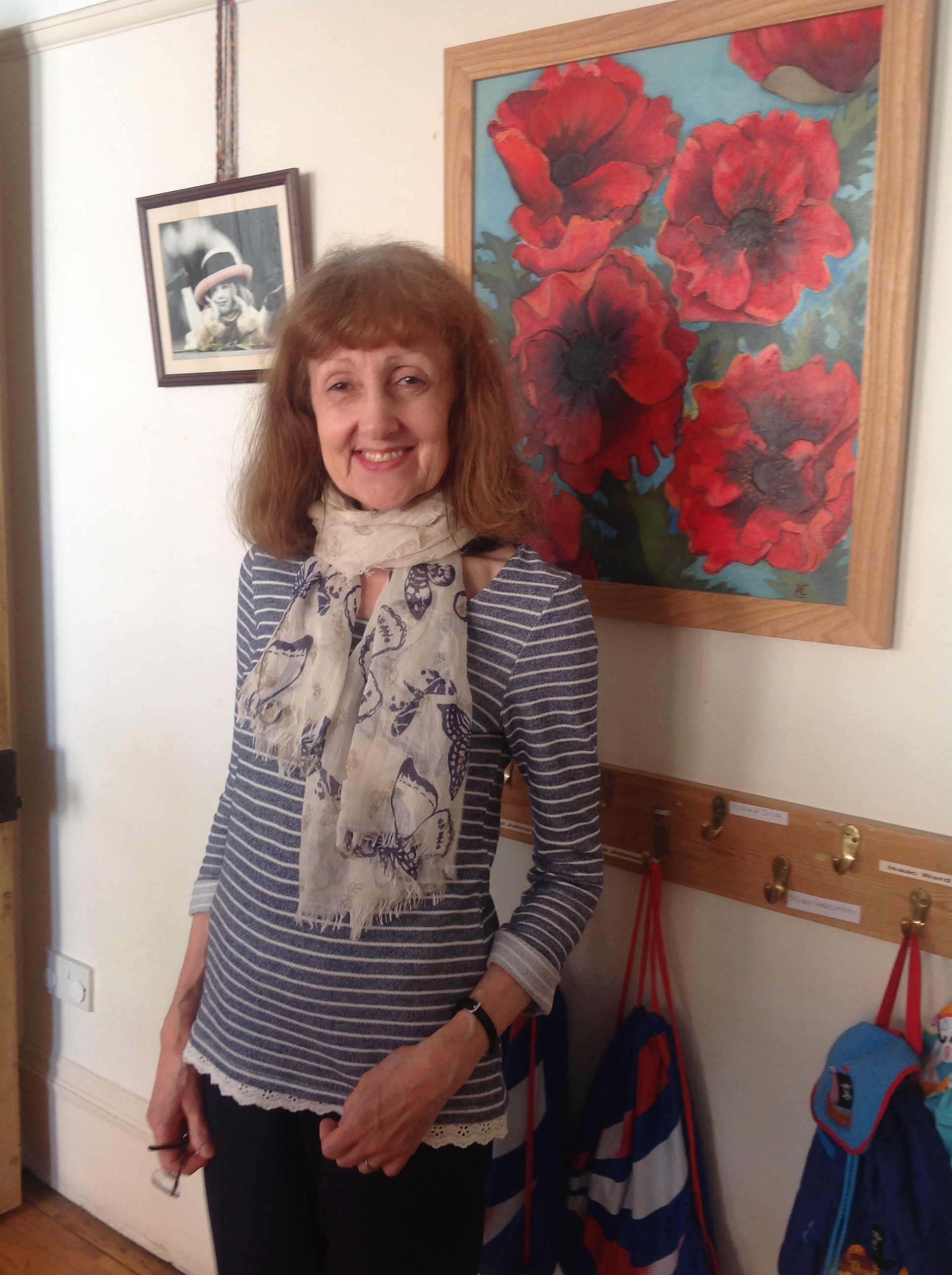
G loved her little nursery. Storytime is run by Mrs. Janet Storey, who was a calm, strong presence in the nursery in G’s time. I was delighted to see Mrs. Storey still at the helm almost ten years later. One could immediately sense that she tolerates no nonsense, but there is an air of fair play and serenity about her.

Mrs. Storey, as serene as ever
Snapshots of Storytime Nursery with its sweet homely touches

Storytime Nursery was exactly how I remembered it to be. The classrooms were furnished like a home that is composed solely of activity-filled playrooms. Little touches of home are all abound, from the childish drawings tacked to the wall to misshapen clay statues to ornaments and toys. There was lots of artwork going on in this nursery, with chubby fingers pasting leaves or bits of coloured paper, creations that will be hung up on the walls to give it a colourful, homely ambience.

G used to love these art sessions, though she does not excel in the subject these days except when it comes to tribal war paint on her face and body before big athletic events that she is nervous about. Or designing my next tattoo. This is the extent of her artistic activity, despite the many hours spent cultivating it.

She couldn’t read when she left the nursery at five. In fact, she couldn’t read until she was ten. And I am eternally grateful to Mrs. Storey and her staff for not forcing her. You hear horror stories these days about competitive primary schools that expect five years olds to do written entrance exams.

“H is not for hamster,” G used to say stubbornly when shown the alphabet card hanging on the wall. “And that’s not a hamster, that’s a guinea pig!”

She was right, of course, because her father who is from South East London pronounced hamster as ‘amstah. Dear Mrs. Storey devoted her time teaching elocution, getting her collection of Portsmouth oiks and my Cockney child (as well as the well-spoken ones) to say “hot water” in three syllables instead of ‘or woer. I am pleased to report that in this endeavor of hers, Mrs. Storey had been successful: G is often complimented on her elocution. Here’s a short clip of her at five: https://www.youtube.com/watch?v=8RFONbabE6A

Though I am not an educator, I am a believer (from personal experience as a mother of four grown-up children) that the ability to speak well, charisma, charm and a touch of boldness should be included in every child’s success toolkit.  Sausage-factory education seems to be churning out bland, personality-less exam-taking machine that one begins to wonder, “What is the purpose of education?”


There is this famous Jesuit saying: “Give me a child for his first seven years and I’ll give you the man.”

There is no doubt that this little nursery had shaped my child in a beautiful, unusual way. She is physically confident, she speaks very well and she has an unbridled sense of curiosity about the world around her. Though she is not academic by nature (homework is done on the bed in the shortest time frame possible), she has great enthusiasm for learning new things. She speaks four languages, she is in the top set at school for all her subjects, she plays sports at international levels and she has won many trophies. I strongly believe that she is able to develop in this direction, because she was not forced to read and rote-learn things that should only come later in a child’s life. Indeed, she spent those precious early years growing other aspects of her being. A more focused nursery would not have the time or the space to allow her this sweet, beautiful exploration and organic growth.

In parting, Mrs. Storey said to me, “We cannot make children into who they are not. We can only help them find beauty in themselves.”

And dear Mrs. Storey, you have indeed helped my child find hers. Thank you. This is the happy, strong, confident, creative and fearless young woman you have helped nurture during her formative years. G: a force to be reckoned with.

G - a force to be reckoned with


I Don’t Want My Daughter To Be A Fashion Victim

OK, here are the statistics:

The total UK household consumption on clothing and footwear is € 59 billion. To put this figure in perspective, the spending on Education is €16.1 billion whilst Health is a paltry €17.9 billion. The Chinese textile industry creates about 3 billion tons of soot each year. Millions of tons of unused fabric at Chinese mills go to waste each year when dyed the wrong colour. Think about the negative impact.

Yet walk down any high street and you see a dominance of mass-produced clothing shops with happy, frenzied shoppers: Matalan, Primark, Peacock, H&M, Next, Topshop, Uniqlo, to name but a few. In the UK, supermarkets are getting into the scrum as well, with Tesco and Asda churning out their own brand at impossibly low prices. Internet companies too have sprouted from nowhere to push dubious, cut-price fashion into an already over-polluted fashion world. What do these purveyors of mass clothing have in common?

Affordable ‘style’, of course. You could be forgiven for thinking that these value retailers are doing the public a service by striking at the heart of elitism through making couture affordable to the mass market. For research, I popped into Primark in Oxford Street and found that I could afford to dress quite well (in a blatant copy of this season’s catwalk offering) for under €20. Teenagers, even with their limited spending power, can afford to buy a dress a week at Primark prices.

And indeed, they are encouraged to do so by mass advertising campaigns and peer pressure. Venture anywhere in a shopping mall and you will see impossibly glamorous (and heavily airbrushed) models selling the lie that you too could look like this if you part with a mere €20, never mind the genetics and artistic manipulations.

When I was in Monaco in May, the mega yacht of one of the owners of these ‘value retailers’ was in port. It was a blatant advertising of wealth, with a Jacuzzi on the deck and uniformed deckhands polishing the brass late into the evening. The math behind it bothered me a great deal: how many €20 frocks do that particular fashion chain have to sell, in order to keep the gin palace afloat, never mind its purchase price?

I made my 14 year old daughter read this report in the Guardian: http://www.theguardian.com/business/2007/apr/22/clothes.fashion

According to War on Want, “Bargain retailers such as Primark, Asda and Tesco are only able to sell at rock bottom prices in the UK because women workers in Bangladesh are being exploited.”

It’s never attractive to wear clothes that were made off someone’s sweat in inhumane and often dangerous working conditions, whatever the external appearance may be. But this being the real world, women and girls want to look attractive, and since most of us are not blessed with ideal proportions, perfect features and flawless beauty, we aspire to achieve some modicum of that dream through fashion. And who could blame us: our sisters from the pre-historic era had been adorning themselves with bits of bones and stones.

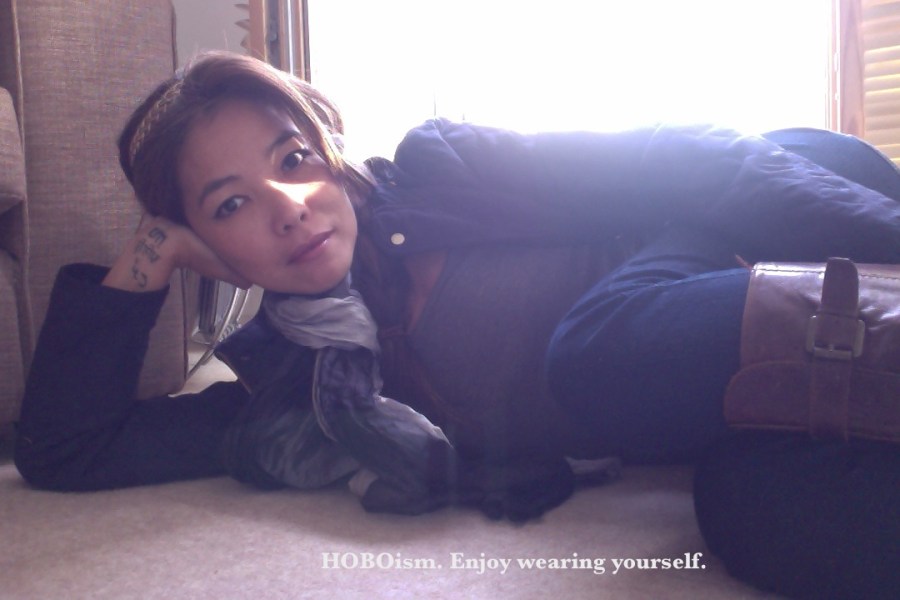
Ladies, hear my plea. Embrace HOBOism. It’s a style concept without a label. It’s fashion without stores (or internet shops). With HOBOism, you wear yourself instead of being a slave to fashion (courtesy of poor women in Bangladesh and other parts of Asia).

HOBOism is a battle cry to women to be comfortable in their skins, to enjoy playing and living, and to express their individuality boldly. It’s sticking two fingers up to the dictates of the fashion czars. It is a reflection of your life, your life.

Note: HOBOism is most emphatically NOT wearing unisex long shorts and shapeless t-shirts.

Examples of my HOBOism

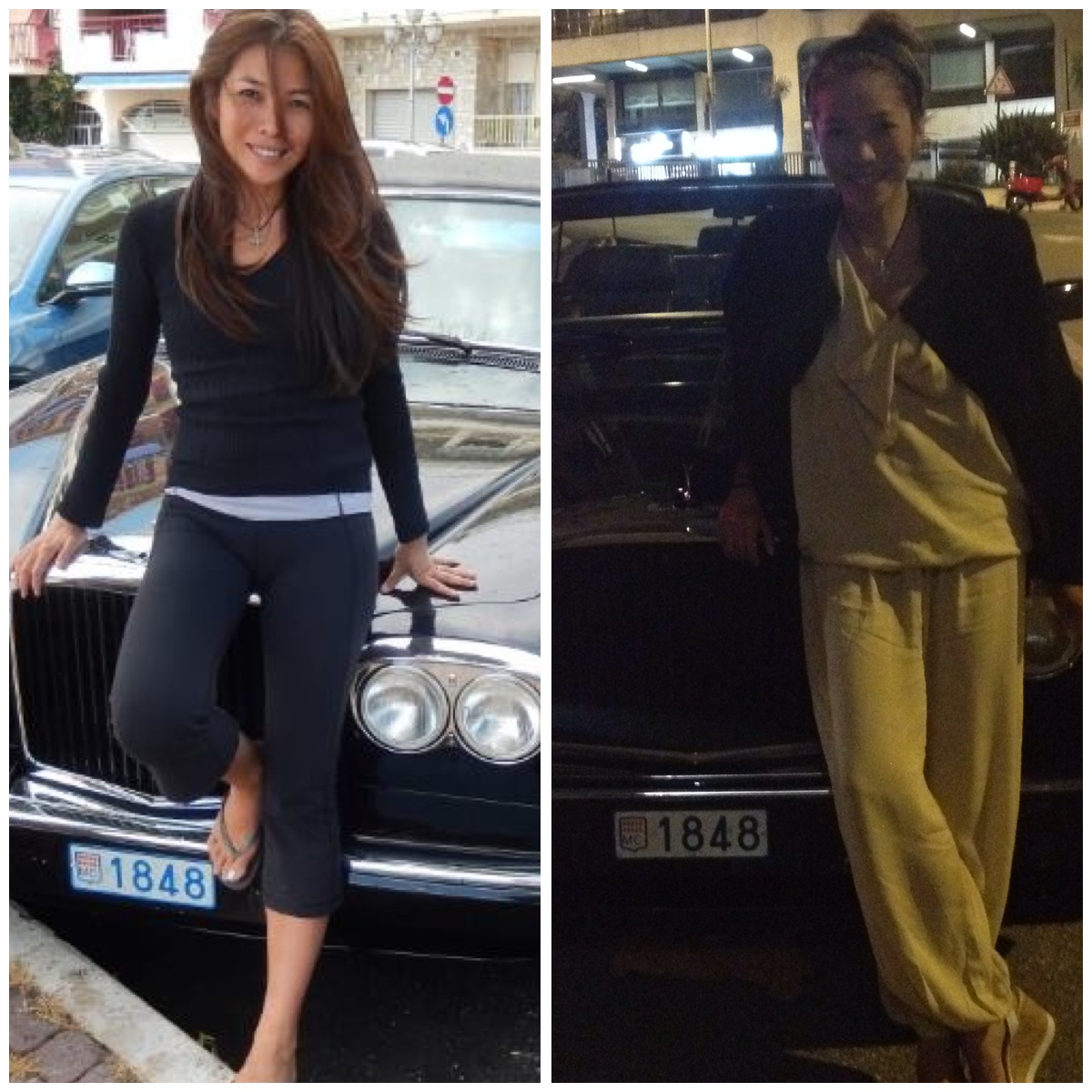
Pyjamas top and jodhpurs at 5am

I have a functional wardrobe that reflects my lifestyle: mostly old riding boots that are falling apart (but which are oh-so comfortable!) and decades-old, faded warm jackets. And I have a rule: never more than 5 minutes getting ready.

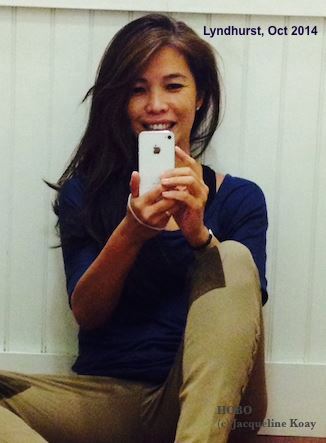
This is an illustration of HOBOism at its best: I went riding last week with a dashing Knight in my pyjamas (because he woke me up at 5am, throwing stones at my window). I hurriedly threw a pair of jodhpurs on but kept the pyjamas top. As we were going for a rather elegant breakfast after the ride, I put on a simple, old, brass tiara and a torn, tatty scarf. Breakfast lingered into lunch, into late afternoon apple-scrumping, before we slowly meandered our way from Lyndhurst to London. Upon arrival at the capital, the Knight invited me for early cocktails at an incredibly glamorous location. A quick change in the ladies transformed the tiara into a glamorous choker and the tatty scarf into a stylish top, and despite still being in my jeans and muddy riding boots, I held my own amongst the well-dressed peacocks. In the process, I won the Knight’s deep admiration for my style and made a rather big impression on him.

From dawn to sunset: tiara and tatty scarf to glamour.
From dawn to sunset: tiara and tatty scarf to high-octane glamour.

And here’s the deal: both the tiara and the scarf are up for grabs. OK, the scarf is torn and tatty, but the tiara is very interesting. It is more than 30 years old, possibly more. Its provenance is probably Welsh, and resembles entwined stalks of the filix-mas. I found it in the attic of my parents’ house years ago.

To win both, email me a photo (or sketch) of an outfit that you think defines the HOBO fashion philosophy. The best entry wins. All entries will be published on my blog: www.raisinghappystrongkids.com

Entries should be emailed to: jk@sunyoga.com by the 17th of October. May the best HOBO win.

HOBOism - you don't have to dress up!
HOBOism – you don’t have to dress up!


Sources:
– British Retail Consortium
– National Statitistics Office (on UK business bysector and location)
– University of Southampton on Retail Recruitment and Graduate Schemes
– ‘Retailing in the UK’, by the Euromonitor
– Clothing Retailing in the UK, by Mintel
– Verdict Research: UK Value Clothing Retailers 2009
– British Council of Fashion Industry’s Facts & Figures 2009
– British Lifestyles, by Mintel


No Such Thing As A Bad Mother

I watched my mum bustling round her kitchen, a contented beam on her face, happiness radiating from her. She is in her element, here in this sunny kitchen somewhere in leafy Hampshire. This is her whole world – for her, the world beyond these walls means very little. She never had any desire to conquer the world, to achieve or to leave a mark other than quietly and gently through her children and grandchildren. She had no ambition beyond us. She had always been like this.

Yet she was the brightest star in her village. She was the first girl to go to university (Aberystwyth) and whilst at university, she was in the rowing team, winning medals. She even kicked the bar on several occasions (as per the tradition at her university).

When the children came, that all stopped immediately. My mum had a sweet little job teaching Biology in a local school, but it had always been clear that her focus was her children. She devoted her every waking hour to us, and did her mothering duties with a big smile even when under duress.

I was 16 when I first fell pregnant (accidentally, of course), and again at 20.  I didn’t want my first two children.

“Daddy, I have changed my mind,” I cried big tears when I was being wheeled into the delivery room. “I don’t want a baby!”

In the beginning, I never felt that I was a good mother. In fact, I have always believed that I was a bad mother, blaming my youth for my shortcomings.  I was saddled with babies at a very young age, at a time when my peers were out there in the world doing exciting things. I, in the meantime, was stuck at home with squalling brats, and the father of my child was a penniless man who lived an itinerant life.

We were both so not ready to be parents.  The day I told him that I was carrying his child, he was about to set off for the British Olympics Sailing Trials. He wasn’t expecting to be daddy, not for a long while at least. Moreover, I was just the one-night stand on a careless, enchanted summer evening.

The animal passion we had for each other counted for little when it came to raising children or building a home. Our differences as people were beginning to show when we had to throw our lot in together.  I was ambitious and hyper, whilst he was laidback and chilled. I was permanently stressed and exhausted as we had more babies whilst I was at university, hundreds of miles from my soothing south coast life in my parents’ peaceful home. Life was a flurry of dropping the babies off to the university nursery, then lectures, then burning the midnight oil completing assignments and studying for exams.

Though there was lots of love in our household, it was chaotic, messy and haphazard. The children were not always cleanly dressed (in summer months, they ran round naked in their wellies) and meals were not always on time. I was often impatient with them, as my nerves were frayed from university studies, household chores and the stress of raising young children without practical help and financial support.

Later, when I started working (out of necessity), I was occasionally an absent mum. The conflict raging within me was savage. On the one hand, I wanted to stay at home with my babies; on the other hand, I wanted to run towards the exciting opportunities with my arms outstretched. To live and to experience so that I live a life of no regrets was my mantra. I wanted to experience more than the confines of my family life.

And so, on my precious older daughter’s ninth birthday, I was on the plane circling over Heathrow, not being able to land because of the snow. I arrived home the day after her birthday, and I disappeared for weeks on end to the Occupied Territories, armed with the mistaken belief that I was saving lives. I undertook a 1000km Sahara trek for a dare.

My children had a successful mother who often made it into newspapers and glossy magazines. But inside, for the longest period of time, I believed that I was a bad mother, and in my thirties, when the real value of life dawned upon me, I scrabbled frantically to rearrange my priorities so that my children became the centre of my universe. Our family life took a dramatic turn for the better, when I realised that career success, exciting adventures and even friends could not warm your heart the way only your children and the father of your children can. Only they can put their arms round you, and transform a mediocre day into one worth being alive for, and that the love is constant, eternal.

At 46, I am contemplating another two children. I know my future children will have a different mother than the seventeen year old one that I had been:  I no longer have the pressures to live my life, to prove myself, to achieve my ambitions and to earn money. I had done all that.

I mentioned this to my mother.  “I will be a good mum this time, Ma, like you.”

 She stopped bustling. She stopped smiling. She fixed me with a strong stare.  “Darling, you have never been a bad mother. There is no such thing as a bad mother. All women give birth wanting to do their best for their children. We just have different ways, that’s all. Now don’t go beating yourself up for what you did or did not do in the past. Good or bad is subjective, but love is absolute.”

 Yes, Ma, I loved my children more than life itself, even when I did not know how to express it. And I love you, my wise mother, for always healing the cuts in my heart.

Food safety: Eggs

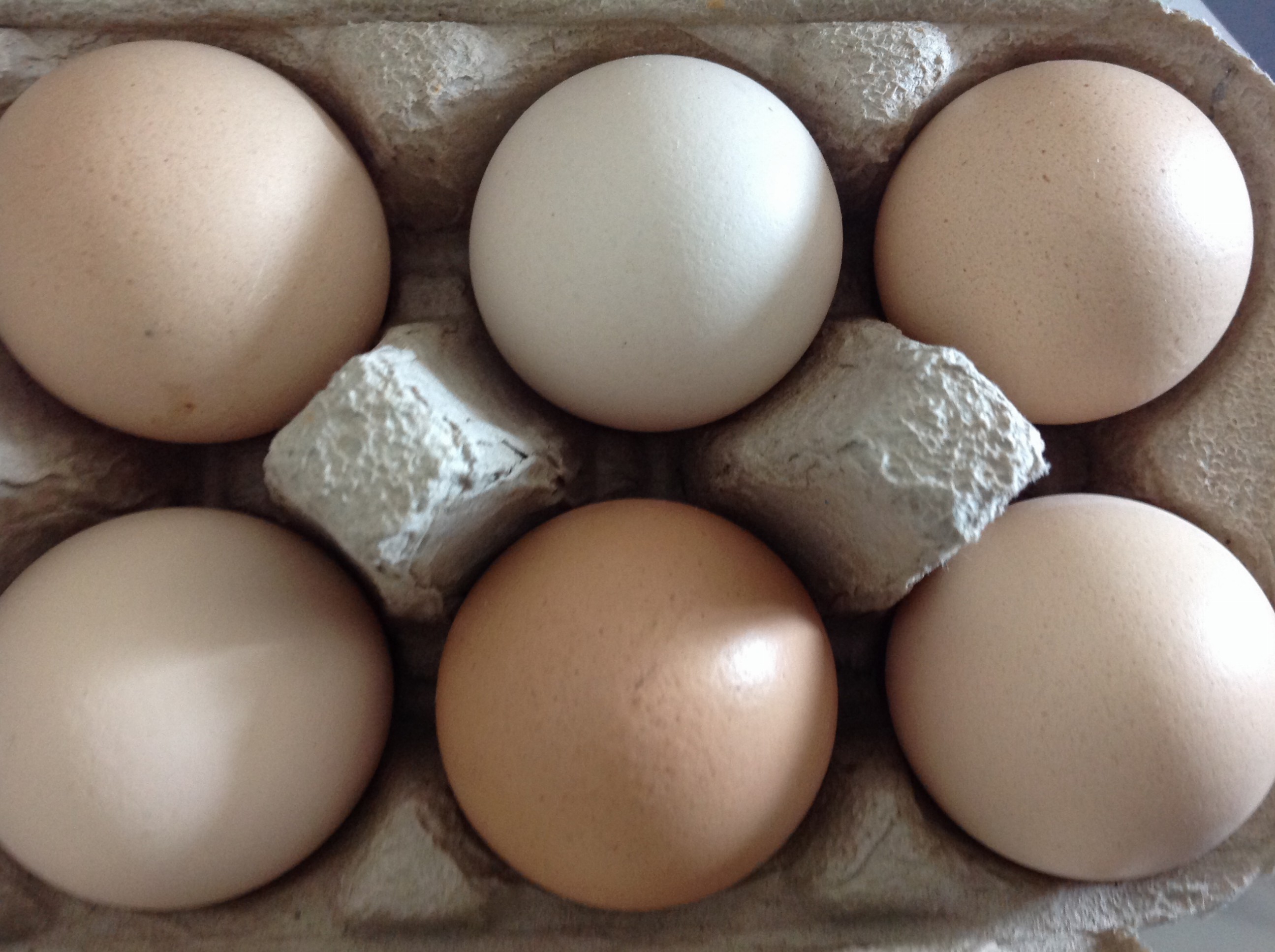
eggs

On of the most disquieting things I heard in recent months is a 9 year old girl developing breast cancer. Of course, the causes of cancer are multifactorial, namely genetic, environmental, lifestyle and nutritional, to name a few. There is no one culprit that we can definitively lay the blame squarely on for making the C-word mainstream. But there is no doubt about it: more and more pharmaceutical by-products are seeping into our food chain, chemicals that are not meant for human consumption.

In eggs that you buy in supermarkets, for example. Eggs are good sources of nutrition. They are versatile, delicious, and an affordable source of protein. But it is so difficult to find organic eggs that are free from growth hormones and antibiotics. These are more expensive that the normal ones, sure, but are still reasonable cost-wise compared to other sources of proteins. I bought eggs with a particular strong branding implying that the products are healthy and green, but a perusal into the company website showed that the eggs are not free from stuff that I do not want in my body (especially my growing child’s). In the tropical paradise of Phuket, ‘clean’ eggs are not easy to find.

What are clean eggs by my definition? I want eggs that are cage-free (I don’t want them laid by hens in battery-cages), antibiotics-free and hormones-free. If possible, I want eggs that are organic as well, namely the laying hens are not fed with animal byproducts or genetically modified (“GMO”) crops but are fed with feeds that have been produced on land that has been free from the use of toxic and persistent chemical pesticides and fertilizers for a minimum of three years. Apparently, the supermarket in Central is one of the few places (other than specialised organic shops) that one can find these pure eggs, though I am not sure how rigorous the organic certification in Thailand is.

Click on this link for the US standards :http://www.uspoultry.org/faq/faq.cfm


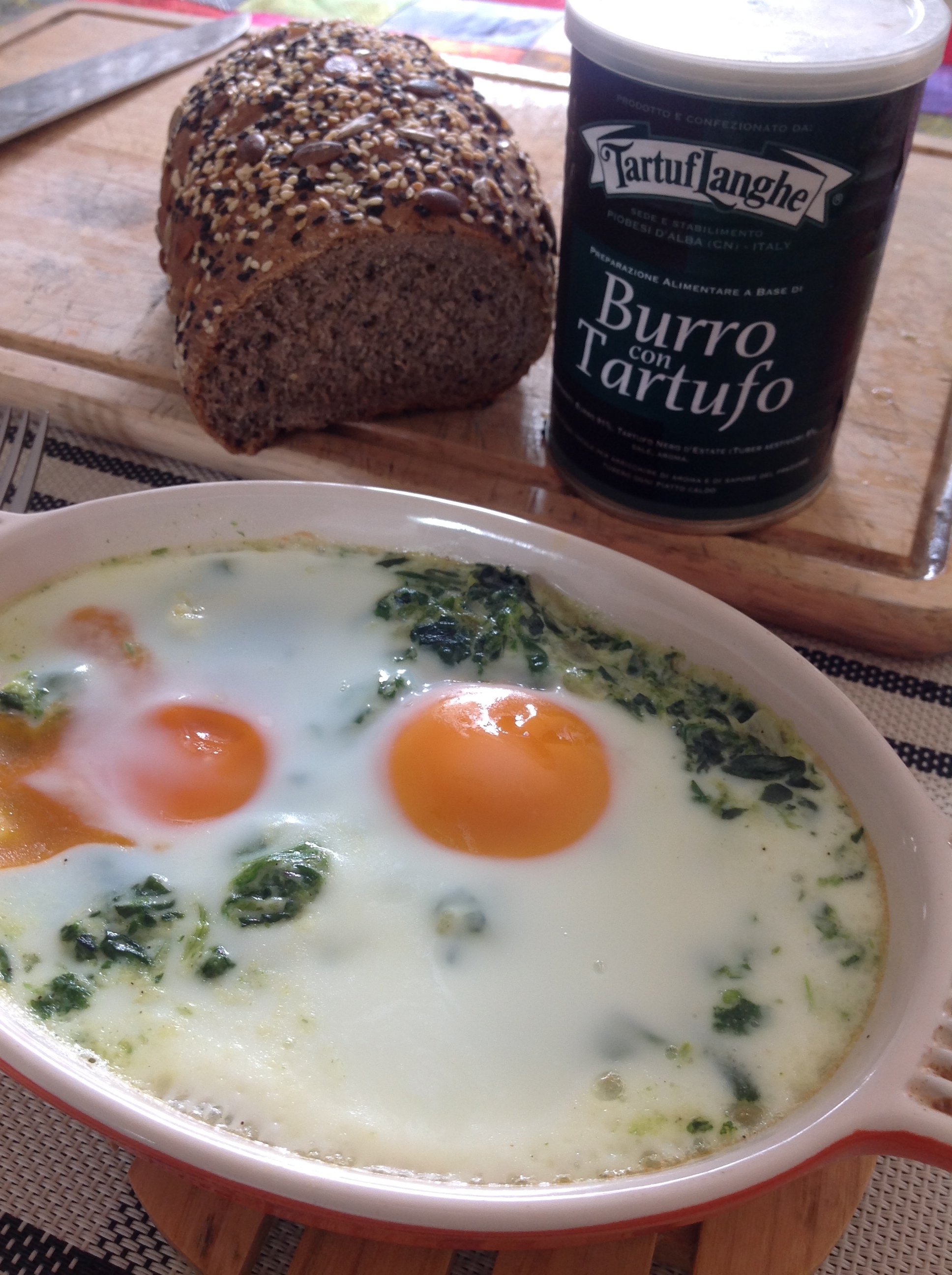
But I was very happy when my neighbour Richard Boyle presented me with a dozen. Now that I know where I can lay my hands on them, I will be cooking up a storm with these babies. Stay posted for yummy recipes! The eggy treat shown below is from a previous post: Spinach and eggs, German-style. Served with truffle butter on warmed toast, it is sheer decadence.

egg and spinach


Here’s another wonderful, healthy recipe with eggs: energy pancakes

pancake

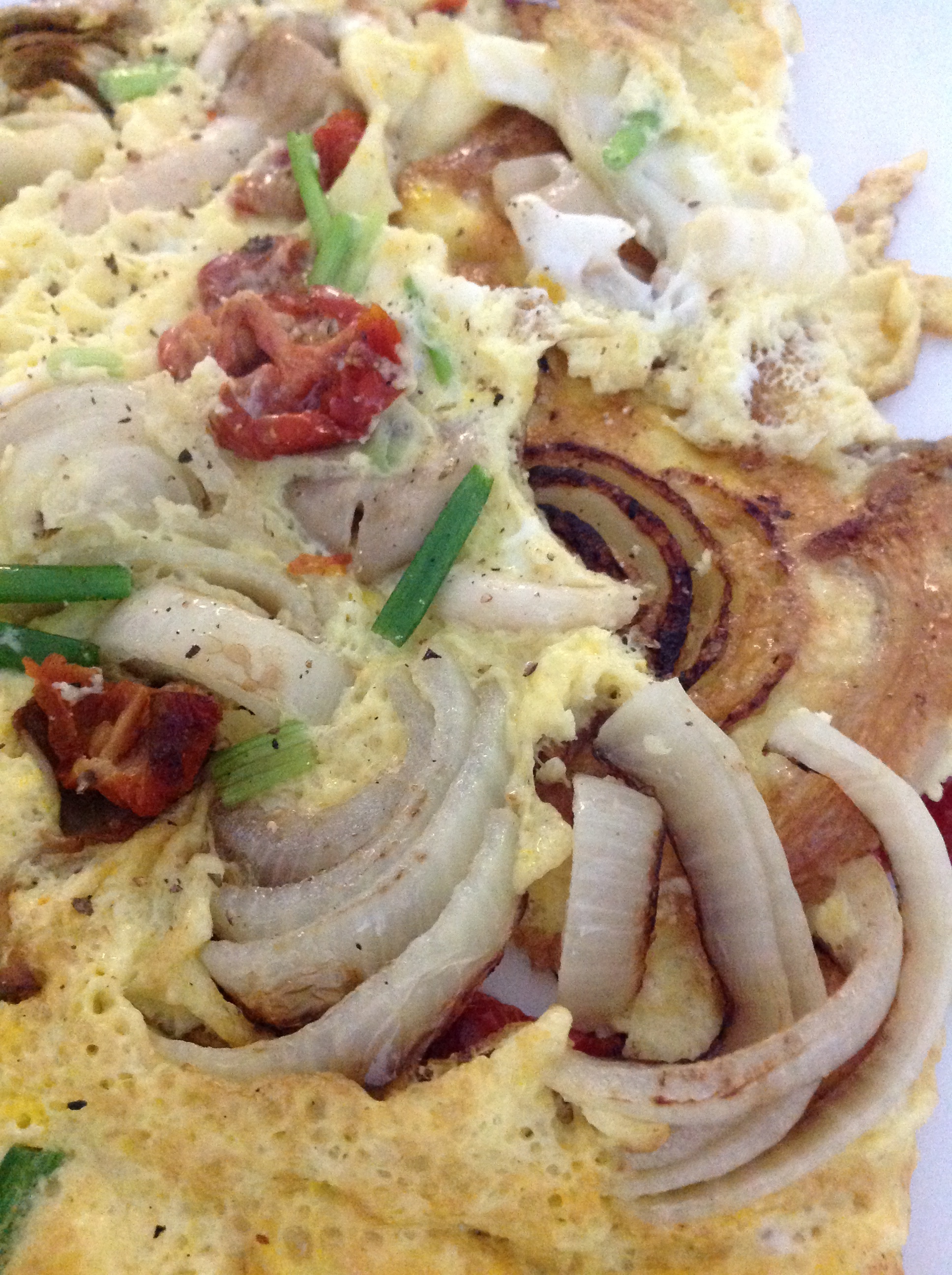
And finally, don’t forget the simple omelette.  Load it with sweet Spanish onions, mushrooms and sun-dried tomatoes for a wonderful, protein-filled treat (gluten-free too).

omellete

Tip for egg safety: wash all egg shells, store eggs at 40F or below, in the interior of the refrigerator, rather than the door, which is subject to variable temperatures. Cook eggs – yolks and all – to a temperature of 160F if you are pregnant or vulnerable. I love runny yolks so I take the risk 🙂

Scrambled eggs: Cook until firm, not runny.

Fried, poached, boiled, or baked: Cook until both the white and the yolk are firm.

Egg mixtures, such as casseroles: Cook until the center of the mixture reaches 160 °F when measured with a food thermometer.

NOTE: SALMONELLA KILLS.