Apple and berry oat crumble

In autumn, apples abound in back gardens and community orchards and berries are popping out profusely. This is a wonderful, simple recipe to get young children to start on the wholly satisfying journey of cooking and eating the food they grow or forage. 

NOTE: If you live in a country where you can’t access apples and berries, you can use local soft fruits. Bananas and dried raisins (soak the raisins in orange juice overnight) is a good combination, or pineapple with brown sugar.

How to make Apple & Berry Oat Crumble

Heat the oven to 190C/170 fan/gas 5

Core and slice about 1/2 kg of Bramley apples (you could remove the skin if you wish). Add in a handful of berries and 3 tbsp golden caster sugar. Put in a 23cm round baking dish at least 5cm deep, or a 20cm square dish. Flatten down with your hand to create a firm base.

For the crumble, this is what you need:

  • 100g plain flour 
  • 50g rolled oats
  • 100g butter, cut into cubes
  • 50g golden caster sugar

This is the fun bit: put all ingredients into a large bowl and crumble with your fingers until the mix resembles breadcrumbs. It is a fab sensory experience for kids to be squelching butter!

Spread the crumble mix evenly over the fruits.

Bake for 35-40 minutes, until the top is golden and the fruits (especially the apples) feel soft when you insert a small knife. Leave to cool a bit before serving.

Growing Garlic – Introducing Children to Agricultural Economy

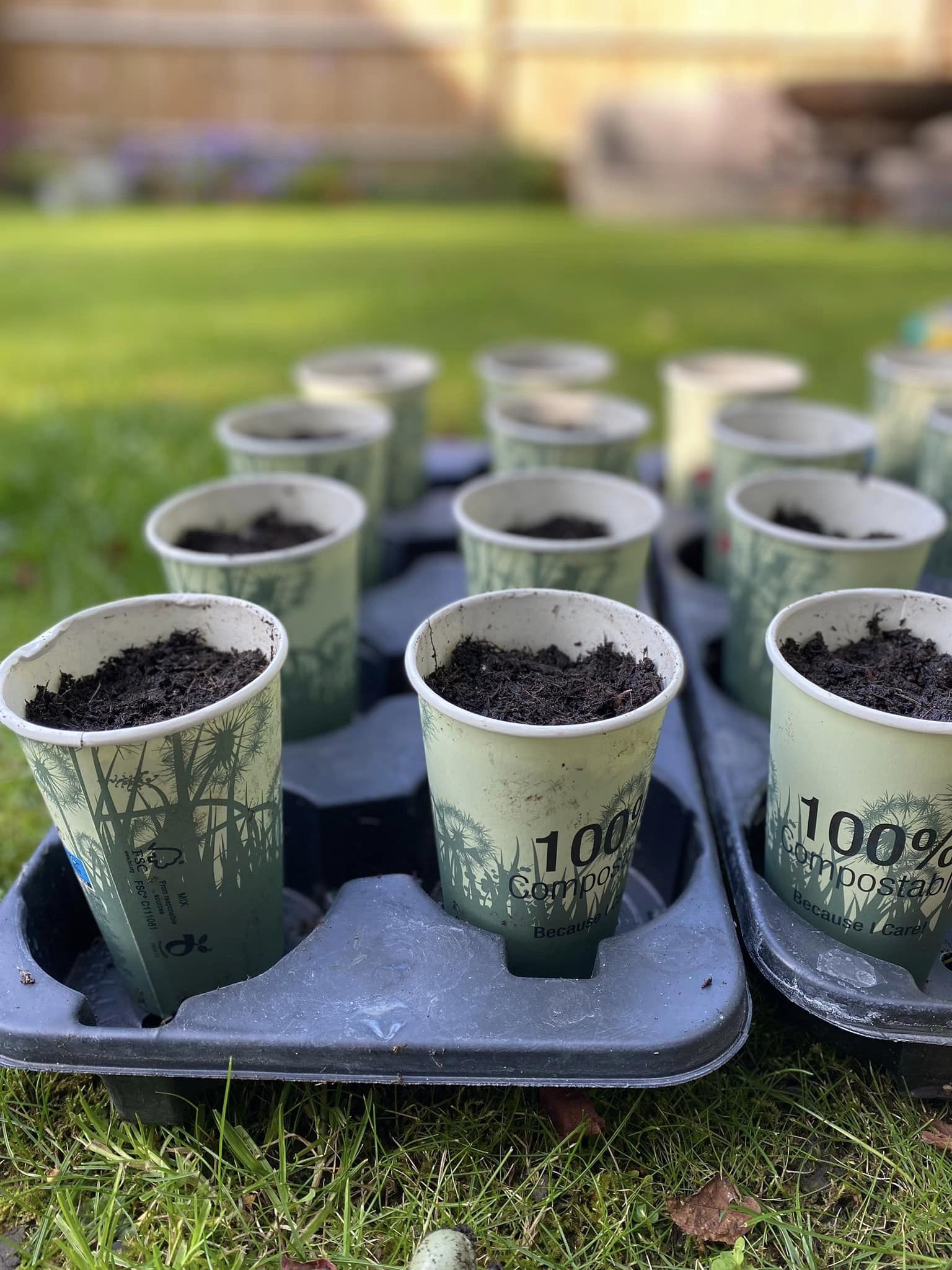
This afternoon, I was planting garlic into compostable cups for the Permaculture Festival on September 23rd and 24th in Lambourne End. The garlic seed I was planting were organic garlic from the Garlic Farm on the Isle of Wight that are specially for planting (Gardeners’ World recommends not using supermarket garlic for planting). I put four cloves into each pot. Each clove will grow into a plump, juicy garlic bulb that contains 8-9 cloves each.

As I was planting the garlic, I thought to myself, what a wonderful business model for a young child to learn about the agricultural economy: I am selling each pot for £2.50 which has 4 cloves (probability that at least three will grow), which means that come harvest time, the £2.50 investment will turn into 3 garlic bulbs, each containing an average of 8 cloves. Thus, for an investment of £2.50, you will get 24 cloves which will, when planted, yield 24 garlic bulbs.

The lessons from that growing that £2.50 pot garlic for the budding little gardener is manifold: doing the maths, looking after plants, planning ahead and of course, empowering them to play a real, active role in the economy.

How to Plant Garlic

  1. When choosing the garlic to plant, choose firm, tight, heavy, dry bulbs. And remember, do not plant supermarket garlic, as advised by the experts.
  2. Separate the bulbs out into cloves. Be careful not to damage the cloves. 
  3. You can either sow directly into the soil, or in my case, into compostable cups. When planting into the ground, make sure that they are at least 6 inches apart.
  4. If planting in containers (such as compostable cups) fill the container with good quality compost. Press the garlic clove in, skinny side up. Cover with 1 inch of soil.
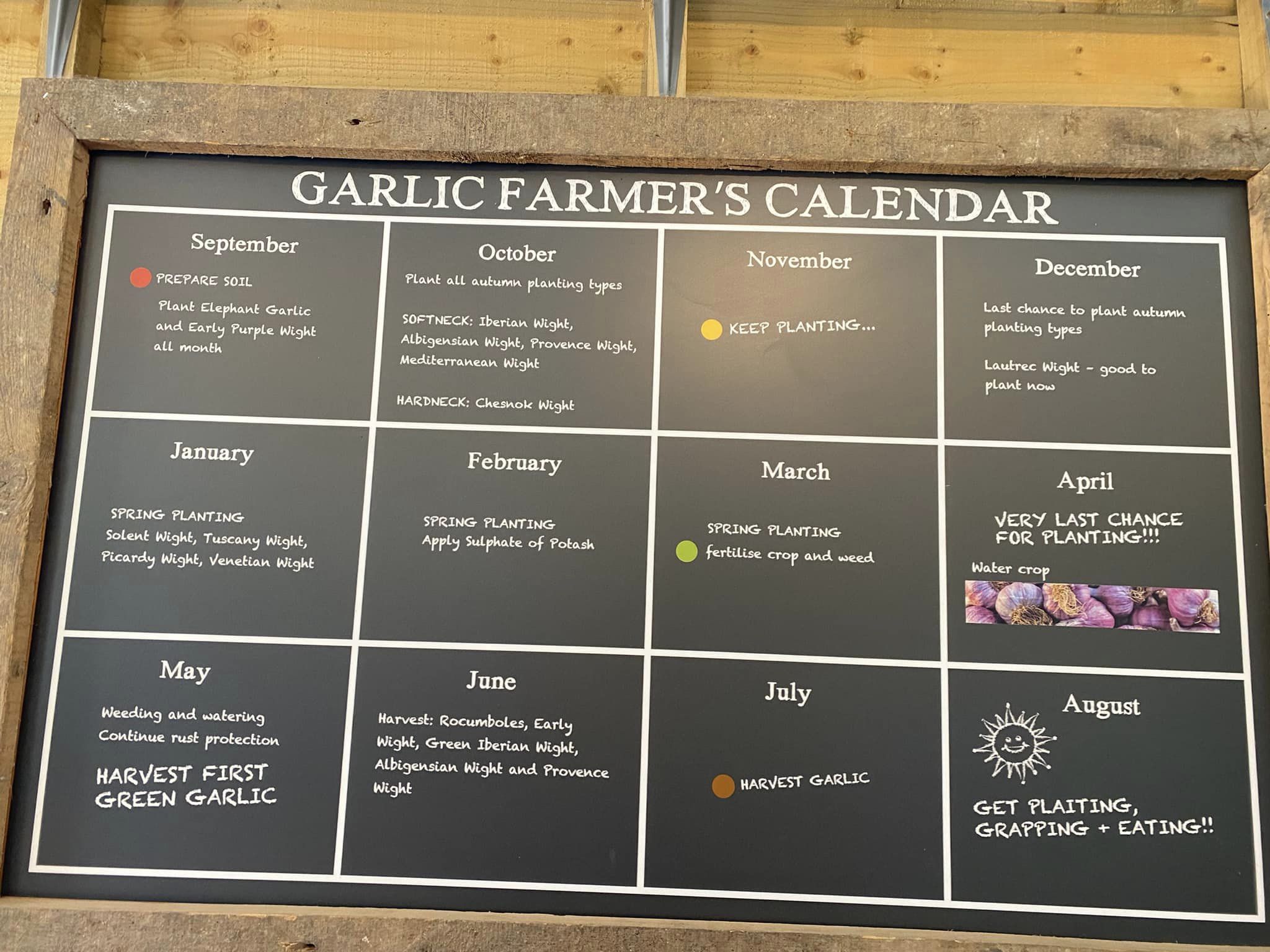
  5. In the UK, the best time to grow garlic is late autumn/ winter.

Lots of sun + good soil + space = good garlic!

Advice from the Garlic Farm:

The girl who wanted a remote control car

There was once a little girl who really, really wanted a remote control car.

Though her older brother allowed her to play with his car occasionally, she wanted one of her own. She wanted a red one with black stripes, and her name emblazoned on the driver’s door.

She was told that God answers prayers, and that God gives good little girls what they pray for. And so, she tried her best to be good and she prayed.

And then one day, a box arrived for her. She was so happy, convinced that it was her remote control car.

Imagine her disappointment when she tore open the wrapper and saw a box of Airfix car (though the box had mechanical parts and transistor batteries). It was a remote control car, but it had to be built. You might not be familiar, but Airfix was the common toy back in the seventies and eighties, where children have to assemble the planes, or tanks, or cars, from fiddly bits of plastic and glue.

The girl was disappointed. She was expecting a car that she could just take out of the box and flick the ‘on’ switch.

But the fact that her dream car came in humble pieces of plastic taught her a big lesson. That faith alone will not solve your problems, whatever the religion.

And if you are spiritual/agnostic/ not into religion, saying positive affirmations without the actual effort will not get you where you hope to arrive at or give you the good things you think you deserve. You only get what you want if you put in the elbow grease – prayers and positive affirmations do help, but only if you do the actual heavy lifting and sweat.

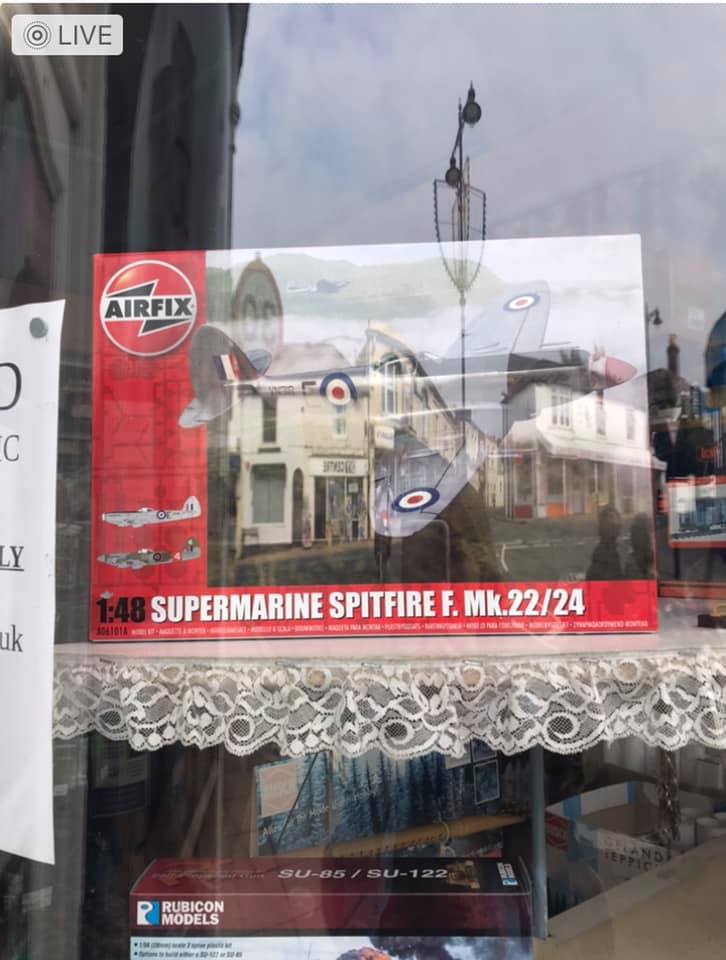
Photo: I saw this Airfix in an old-style toy shop in Sandown, Isle of Wight, last week.

Removing shoes (and fear)

Living without fear

I wrote Barefoot In The City – Raising Happy, Strong Kids whilst living in the middle of a busy city, where the skyline had been replaced by skyscrapers and trees cut down to make way for developments – schools, shopping malls, towering condominium blocks. People who knew this place before ‘progress’ came often talked about the monkeys swinging on the trees and butterflies dancing in the still afternoon air. On weekends when we drove out of the city into the receding rainforest, we used to see families of monkeys migrating, sometimes walking single-file along the sides of the motorway, in search of a new home. Once, we witnessed something rather distressing – a baby monkey had been run over by the savage traffic and its mother was howling in despair whilst trying to retrieve her child’s corpse as juggernauts and cars thundered uncaringly by.

My children’s father stopped the car and risked his life to help the monkey.  Many years on, I still berate him for dicing with death in front of his children.

“It’s precisely because my children were watching that I did what I did,” he said with his usual confidence.

He wanted to show them another way of being, namely one where we are all part of the same existence and are somehow connected to everyone and everything. And crucially, we cannot afford to lose that connection, because it is, quite simply, fundamental to life. Children know this wisdom instinctively – this is why they are fearless until we teach them fear from a misguided and skewed perspective. Behind our concrete walls, metallic cages and certificates of achievements, we live fearful of nature and fearful of our true nature, becoming more and more estranged each year.

Being connected again

When we moved to the city from a sleepy seaside town in southern England, my youngest daughter refused to wear shoes for months. She would insist on going barefooted everywhere (hence the title of my parenting book), to the chagrin of most people. Her father just laughed and rejoiced in his daughter’s fight to walk barefoot in a world peopled by folks wearing shoes. We couldn’t figure this out for the longest time, until a wise person told us that 4-year-old Georgina was struggling to stay connected to nature. He complimented us for not forcing her to go against her inner knowing, because after all, dirty feet can easily be washed clean.

In the light of this understanding, we set out to make our city home as close to nature as we possibly could, and it was the best thing we could do for Georgina. She grew strong and fearless, with compassion and a surprising soft spot for animals and vulnerable beings. Though she claims she can’t swim, she was happy enough as a child to swim for miles out in the Javanese sea without any buoyancy aid and she understood sea life as taught by the visionary Roderick des Tombes, the first of her many life teachers. We realised that indeed, she couldn’t swim in the school swimming pool, but she was fine in the open ocean. I think she has the ocean and the earth and the stars within her, even though she now lives in grey and concrete south London.

Screenshot 2019-08-20 at 20.20.28

Last Sunday, at a convention held at the University of Greenwich, London, I listened to a Cree woman from Canada speak about her people. “My people are very sick,” were the words she began her lecture with. She talked about the sickness of her people that came from losing their connection to the land as they became a marginalised population, pushed out by ‘civilisation’. Jazmin Pirozek is an ethnobotanist and had studied phytochemistry, amongst her many deeply spiritual, mystical learnings. She travelled far, to the depths of South America, to find a cure for her people. There, she met her teacher, Juan Flores Salazaar, who taught her many things about healing.

This is Jazmin’s story:

The Legend of Miskwedo

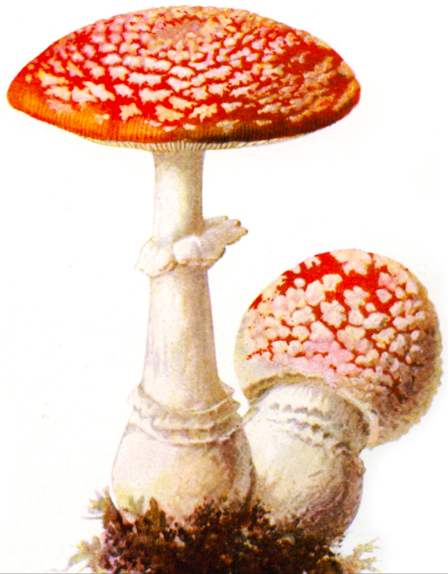
Once upon a time, there were two brothers. Their parents were killed during the Great Migration and they only had each other. One day, because they were hungry, the younger brother ran with abandon into a field of amanita that people were fearful of. To the older brother’s horror, the younger brother began changing form – he was slowly changing into an amanita.
Screenshot 2019-08-20 at 20.27.01

The older brother sought help from the villagers, who told him that to change his younger brother back into a boy again, he (the older brother) had to gather some special sand and put it in a deerskin pouch. And then he had to get three eagle feathers from the largest eagle (known as thunderbird, because it was so huge and fearsome). The thunderbird’s nest was perched on the branches of the highest tree, and the base of the tree was a minefield of vicious stinging nettles. But for the love of his younger brother, the older brother completed his herculean tasks and restored his younger brother back into his boy form.

One night, in the middle of the night, the older brother woke up and discovered that his younger brother was not in the wigwam. In panic, he rushed out and looked for his younger brother. He finally found his younger brother in the middle of a field covered with amanita. His younger brother had one hand on the amanita and slowly changing form again. And as he was changing form, he was speaking to a large gathering of people.

“I am happy,” he said.

(Note: this is a brief retelling of Jazmin’s magical tale. You can get the full version here: https://www.tandfonline.com/doi/abs/10.1080/02791072.1979.10472089?needAccess=true&journalCode=ujpd19).

The field of amanita

In The Legend of Miskwedo, the field of amanita was described so beautifully, “handsome wajashkwedeg they were – turning and revolving, buzzing and murmuring, singing a strange song of happiness under the brilliantly sunny sky”.

We dream of finding such a field as we carry on with our daily lives. “It does not exist,” we tell ourselves, not daring to believe in the improbable.

But let me share a secret with you – pieces of this field do exist in yourworld. You only have to open your eyes and rid the fear in your heart to see it, the true nature of the universe in every grain of sand.
68678744_705919786521696_8839972108910985216_n

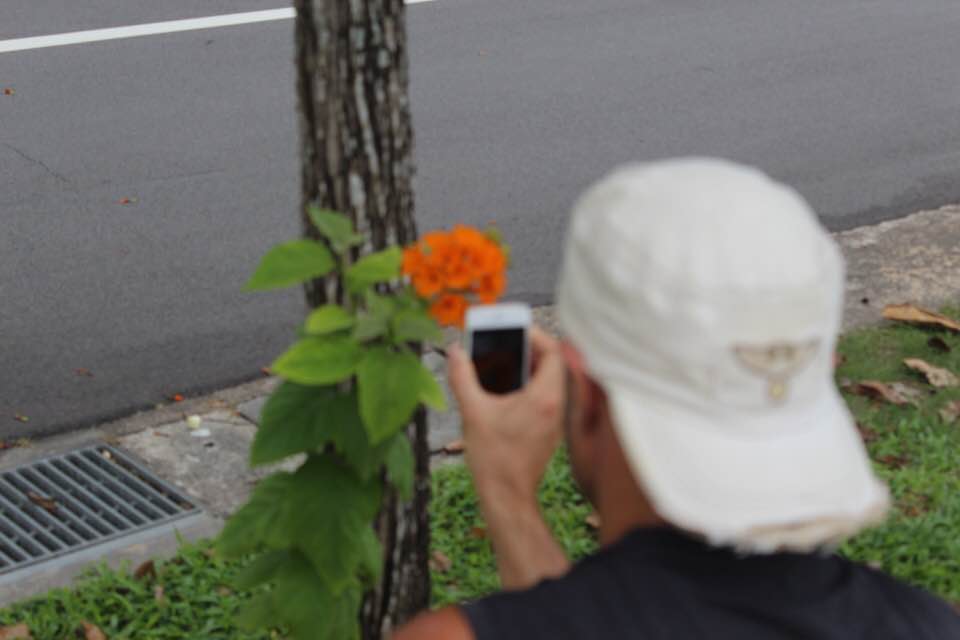
Photo: The beauty of small things, Singapore 2016

68754112_705917453188596_8249523249419911168_n

Photo: Teaching the next generation about the world we live in – edible plants, London 2017

About Jazmin: https://www.breakingconvention.co.uk/speaker-JazminPirozek.html

Photo of amanita mascara: public domain image Albin Schmalfuß Führer für Pilzfreunde : die am häufigsten vorkommenden essbaren, verdächtigen und giftigen Pilze / von Edmund Michael ; mit 68 Pilzgruppen, nach der Natur von A. Schmalfuss [1] https://dx.doi.org/10.5962/bhl.title.3898

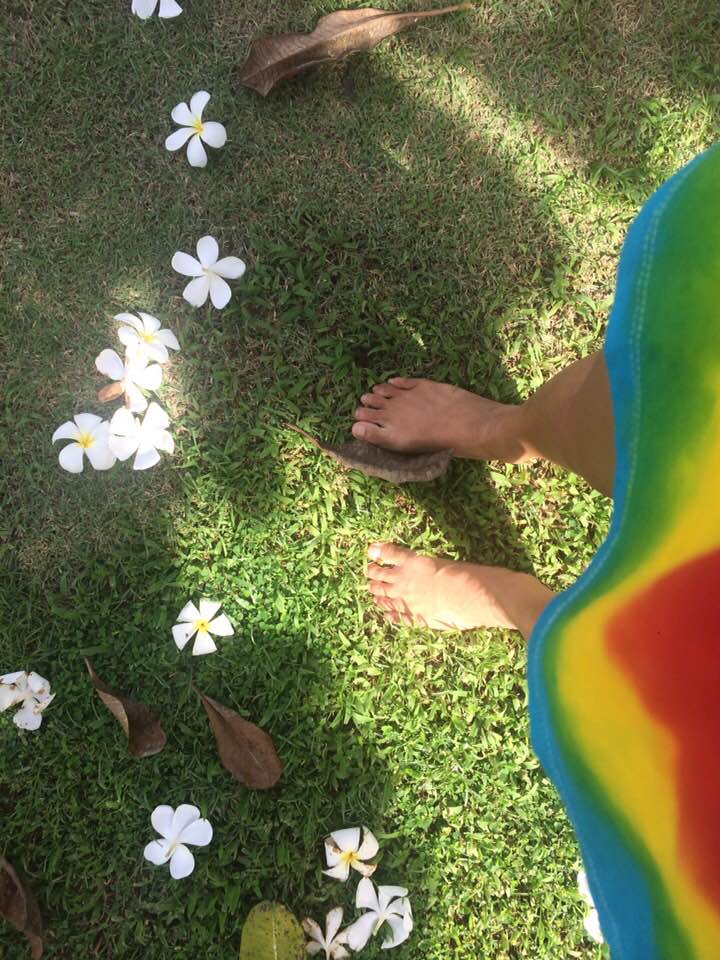
Main photo: author’s copyright Phuket 2018

Teaching resonance

I am teaching Woy about flowers, and by extension, about me. I am not a ‘flowery’ sort of person, I would say, but nonetheless, living blooms (never plastic ones) are very much a part of me. This is because I grew up surrounded by my mother’s flowers – I see my mother’s warmth and ever-present smile in the petals and stamens and green leaves that she filled my childhood home up with. Now, decades later, there would still be flowers in my old bedroom whenever I go home.

Once, I went home to my parents’ house when they were abroad, and I was bereft when I walked into the drawing room and my bedroom. They were devoid of my mother’s blooms. It was like the whole place was lifeless and dead.

In the beginning, Woy would bring me big bunches of yellow chrysanthemums, still in the polythene wrapper. They sit awkwardly in my flat, amongst the things of my life – a watercolour painting of Yorkshire from my much-loved aunt, a crystal decanter from my dad, old Welsh placemats from my parents’ house,  a silver Victorian candlestick holder.

“Well, I can’t really bring you roses, can I?” He mused. “Do you like lilies, orchids? What do you like?”

“You’ll find out.”

One day, when we were in Waitrose, I picked up a bunch of Sweet Williams and held it up triumphantly to Woy.

“They look like weeds,” he said. “But for some reason, I know these are the type of flowers you love.”

He asked, “What are they called?”

Sweet Williams.

He googled them. “Hmmm, no particular history or anything. But they’re like you, aren’t they? Child of the many countries, hardy and tough. But they still look like weeds.” He shoved them into vases and jars as I put the shopping away.

61602034_653380038442338_624222244628856832_n

“Woy,” I said to him. “Learn to see their beauty.”

“What do you mean?”

They’re not just weeds.

There’s a permanence in their impermanence, a stoicism in their delicacy, and I love their lack of pretence, their defiance, their ordinariness. Sweet Williams last a long time. A £5 bunch would last almost two weeks if you look after them (chop off the ends every 4-5 days, feed them with lemonade).

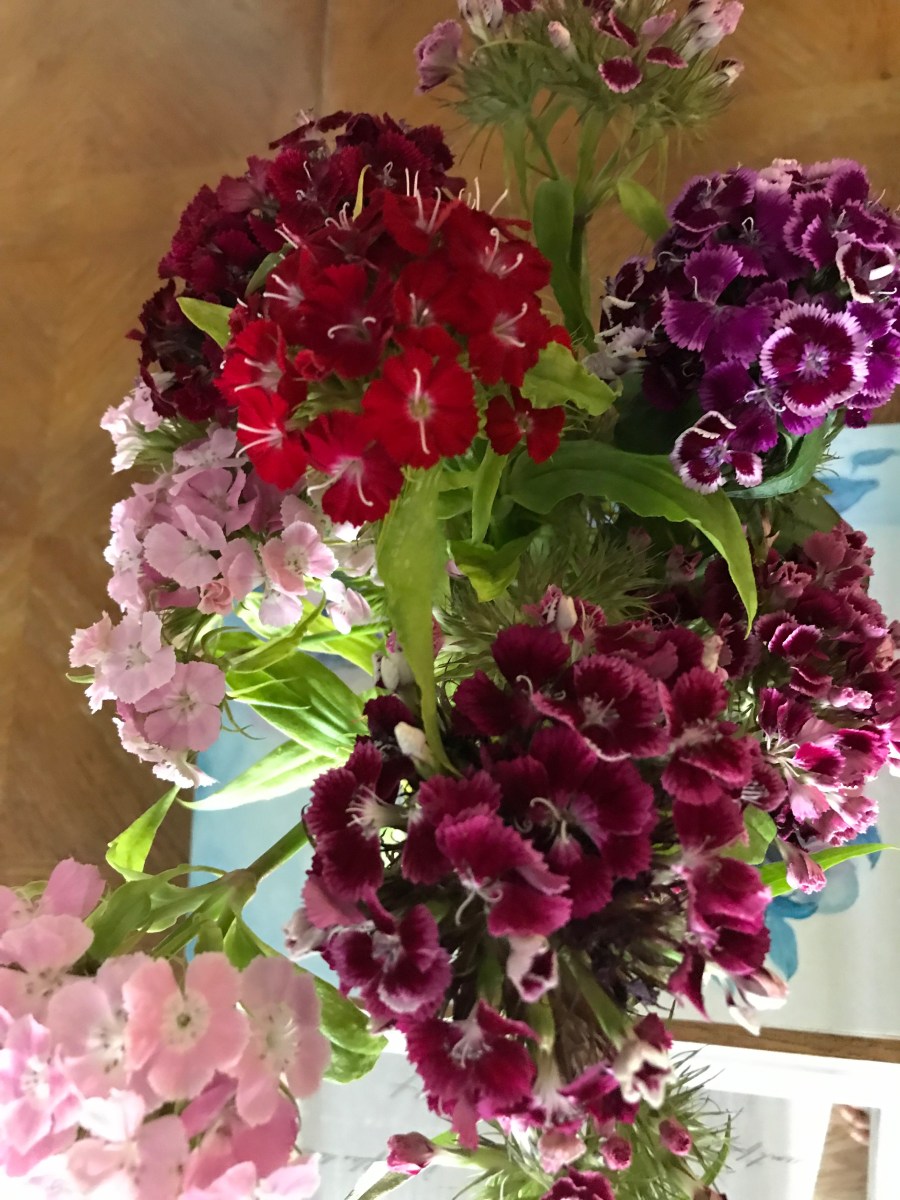
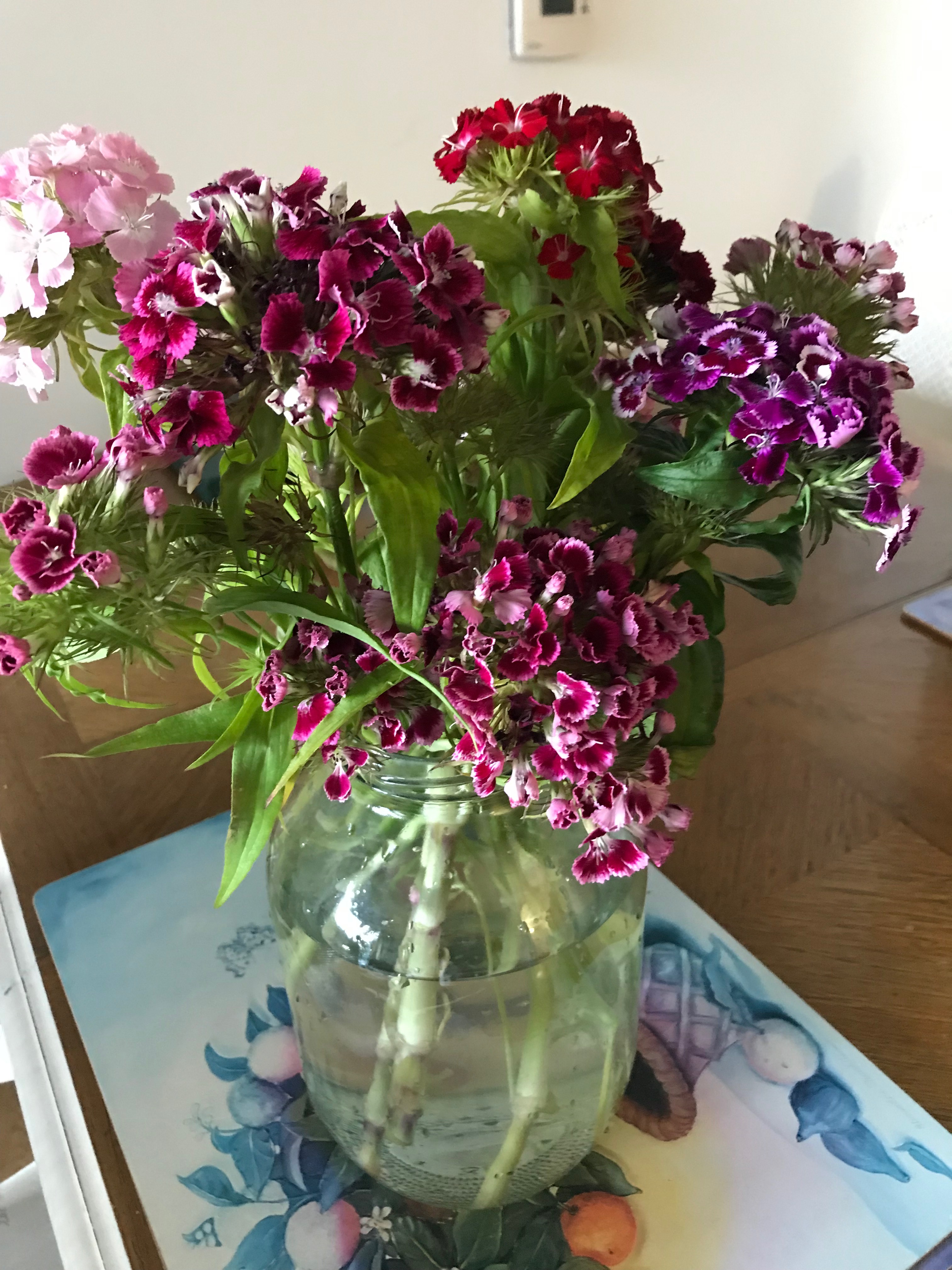
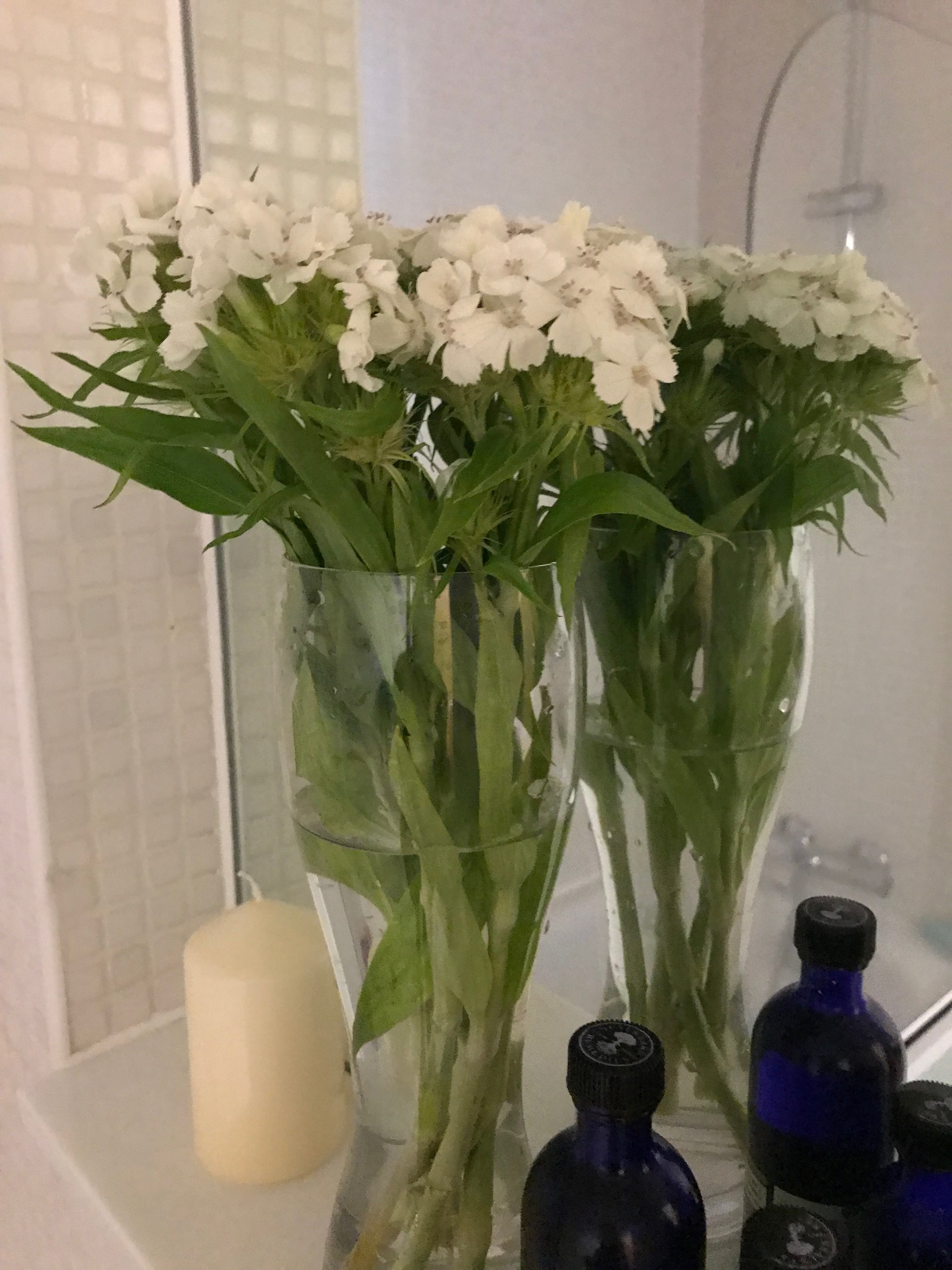
A couple of weeks ago, I had an accident on my bicycle. Woy filled my home with Sweet Williams, but this time, he arranged them with much thought behind his actions. I was completely blown away by the sweetness of his flower arrangements. They resonate with our home, our life, our way of living.

“I listened,” he said simply.

file-100

file2-6

file3-3

And yes, they are still well after 2 weeks, in my drawing room, my bathroom and my bedroom. I shall have to call rename them Sweet Woys.


How dishonest are you?

49709888_581084515671891_2553867728356114432_n

This is my son Jack when he was a little boy (he is 25 now). When he was around 8 or so, we were on the plane and he started feeling sick. We gave him the sick bag provided by the airline, the generic one that you can find in front of every seat on the plane.

In any event, Jack did not throw up, but was still looking rather green on the gills when we landed. We told him to take the bag with him, just in case.

He looked very concerned and asked us, “Am I allowed to remove this from the plane?”

Of course, we laughed. It’s just a cheap – almost worthless – paper bag, right?

Read on….

******

We have been duped many times in our lives. We just don’t know it. I am no exception. A few years ago, I was badly duped. Not only did it cost me money but also two years of my life which is a whole lot more precious than money.

When I confronted the person who so callously strung me along, I was met with a barrage of very earnest denial. That person denied that was what happened, despite the overwhelming evidence and facts. He genuinely believed that he acted in good faith. For a while, I doubted him. Now, incredibly, I do believe him. Who knows, I may be guilty of doing the same too, in my everyday life, to several people, unwittingly.

Thanks to my psychologist friend (we continue to talk about this), who sent me this illuminating book:

51wgwm1asrl._sx330_bo1,204,203,200_

Here’s the video (well worth watching):


No, it is not to moralise, but to think about our rationale. So perhaps my little Jack was behaving correctly all along, when he wanted to ask permission to remove a worthless paper bag from the plane….because it is so easy to slip from stealing something infinitely more valuable. Mea culpa.

Here’s how to be a Finnish parent: kalsarikänni

A few years ago, a quiet country called Finland came to world attention suddenly: from relative obscurity, its education system was suddenly hailed as the best in the world.   One was the documentary, Waiting for Superman, about the poor state of American education (despite the No Child Left Behind policy and large investment in education), and the second was the stellar performance of Finnish students in PISA, the Programme for International Student Assessment.

I was in Asia at that time, with three or four school aged children in a very competitive, academic school. I looked on with bemusement as folks here scrambled like lemmings to emulate Finland’s success. There’s even a Chinese word for it, kiasu, meaning ‘afraid to lose’.

Private schools and international schools of course capitalised on this kiasu-ness of parents. Words such as lifelong learner, problem-solver, resilient thinker, etc began popping up in marketing material, vocabulary and curricula already laden with homework, tuition, assignments, more tuition.

And here’s the thing: I think these schools AND parents who are suddenly longing for Finnish education are schizophrenic. They want to emulate Finland’s success, but the very nature of Finland’s success when it comes to education is its non-competitive nature:

  1. There are no mandated, standardised tests in Finland except for ONE exam at the end of a student’s senior year in high school;
  2. There are no rankings, no comparisons, no competitions amongst students, teachers or schools;
  3. If one method doesn’t work for a student, try something else rather than beating him/her to finish first amongst the strong finishers.

My view as a mother of five who have always been keenly involved in education (I was a school governor of my children’s school in Portsmouth) is that pushy parents and relaxed Finnish style education simply do not mix. You have more chance of mixing oil with water.

Finnish children climb trees. Finnish children use sharp blades to build their own playhouses. Finnish children don’t go for tuitions. Finnish children don’t spend all their hours indoors. And most of all, Finnish parents simply don’t compare …. since comparison is not in the national ethos.

Equality is the most important word in Finnish educationOlli Lukkainen, president of Finland’s teaching union.

And as we well know, it all starts from the home though of course, schools and national education systems do have some impact on how your child will turn up. But I would always maintain that parents are the main teachers.  Your ideologies, your values, your ethos and your philosophies shape your child’s psyche as surely as the river shapes the landscape it flows through every day. If you are pushy, stressed out, competitive about your kid’s exam scores, you’re not going to have a relaxed, happy, curious kid with an inquiring mind. Your kid would be too afraid to fail (or worse still, not care a jot about failing) have the time and space to explore, expand, formulate, rationalise, grow….because all his/her available resource would be invested into the pointless task beating the exams and beating “competitors” rather than actual learning.

So, in the interest of education, let me share with you the mindset of the Finnish people that perhaps is the key factor to the success of the Finnish education system: kalsarikänni.

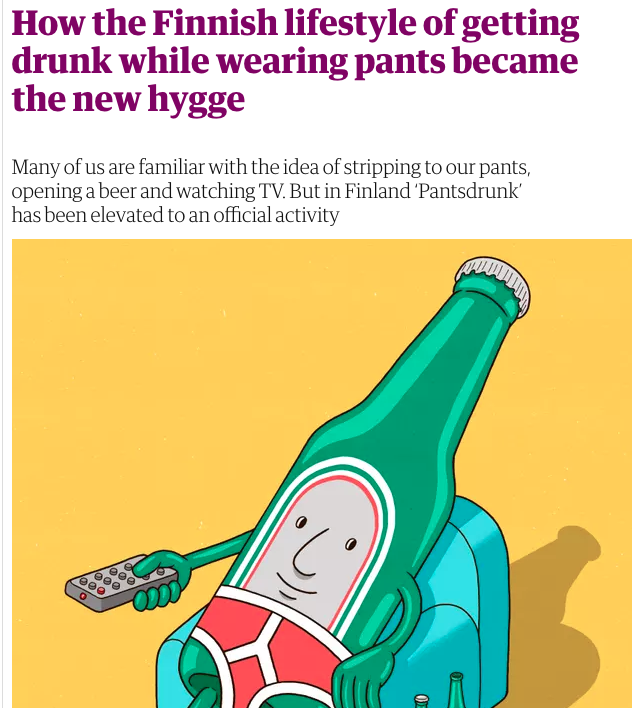
It basically means sitting around in the home, drinking beer in your underpants, watching some TV maybe. Yes, I kid you not. But at the heart of kalsarikänni is optimal peace of mind, comfort and equilibrium.

Here’s an enlightened article about it in The Guardian, written by the Finnish author Miska Rantanen:

Screen Shot 2018-10-10 at 11.47.00

Though I have just learned about the word for this particular way of being only a couple of days ago, it is something that my children’s father and I have always practised in parenting: I never go to school meetings with my children’s teachers (my communication with my children are honest and frequent enough for me to know if there is a need for my intervention) and my children’s father often (like four days a week) took my youngest to the pub after work when she was young. Even the damn dog went to the pub in Sri Hartamas, Kuala Lumpur. I wrote about my daughter’s beermat-flipping skills (as the result of spending 4 days a week waiting for her father to finish drinking with his mates in the pub) in my book. She actually did most of her homework and studying in the pub.

IMG_5270.JPG

So why am I so chilled? Because my thesis is that a happy, well-balanced, and kind child with good social skills will always succeed as an adult So focus on the important bits.  Take a leaf out of the book of the Finns. Relax. The more you try to grab hold of something, the more it seeps out of your fingers like sand.

Here’s something for you to think about:

Schools are not just places for transmitting technical know-how. They must also be places where children can learn to be happy, loving, and understanding, where teachers nourish their students with their own insights and happiness.

– Thich Nhat Hanh, in “The Heart of the Buddha’s Teaching”.

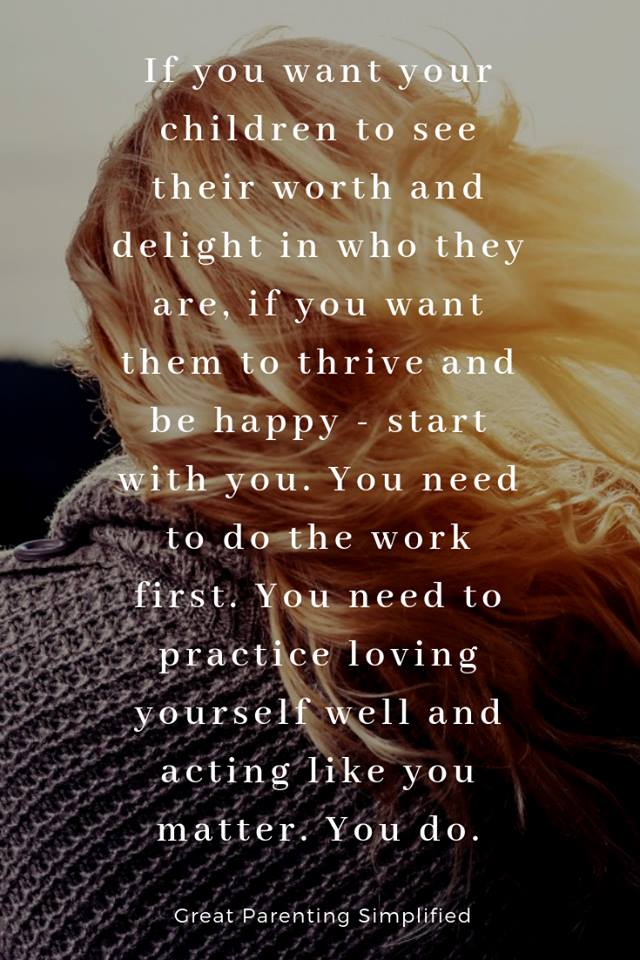
And from Great Parenting Simplified:

43165821_1976409142448932_8619565124698505216_n.jpg

My book, Easy Parenting For All Ages: A Guide For Raising Happy Strong Kids, is available for free download on kindle unlimited. Click on this link.

To order a copy of Pantsdrunk: The Finnish Art of Drinking at Home. Alone. In Your Underwear by Miska Rantanen, (Square Peg, £9.99) for £8.59, go to guardianbookshop.com


“The best classroom in the world”

It is true, the best classroom in the world is the world.  Though books are great for growing young minds, I strongly believe that children (and adults) need to go out there to the world they live in to feel the lessons.

The best teacher is often the parent. What my parents taught me all those decades ago still reverberated strongly in me. And indeed, my biology teacher, Mrs Jenny Woods who took the class out on field trips to Harting and Stoughton.

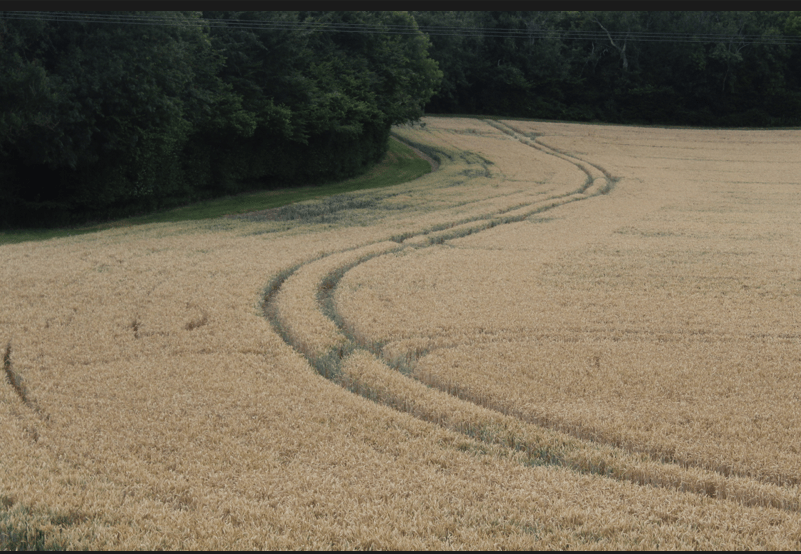
And so I am back here again, walking in my beloved Hampshire, far from the madding crowd.

Screen Shot 2018-07-18 at 19.04.29

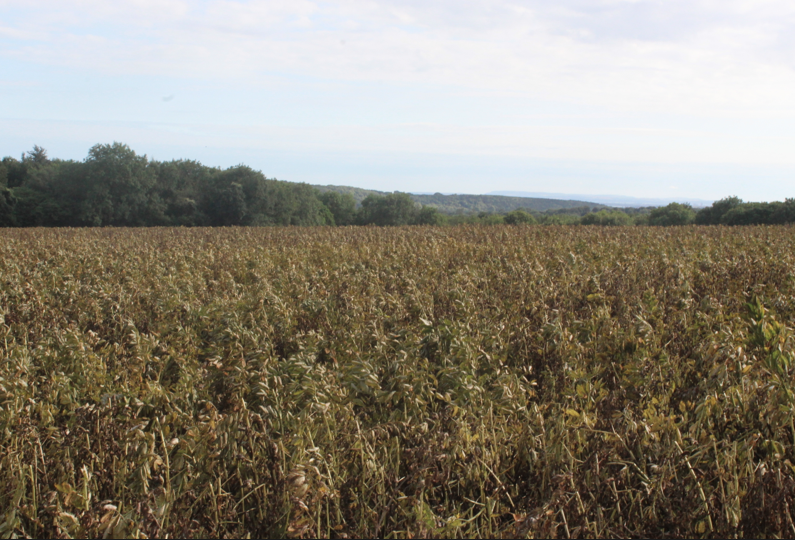
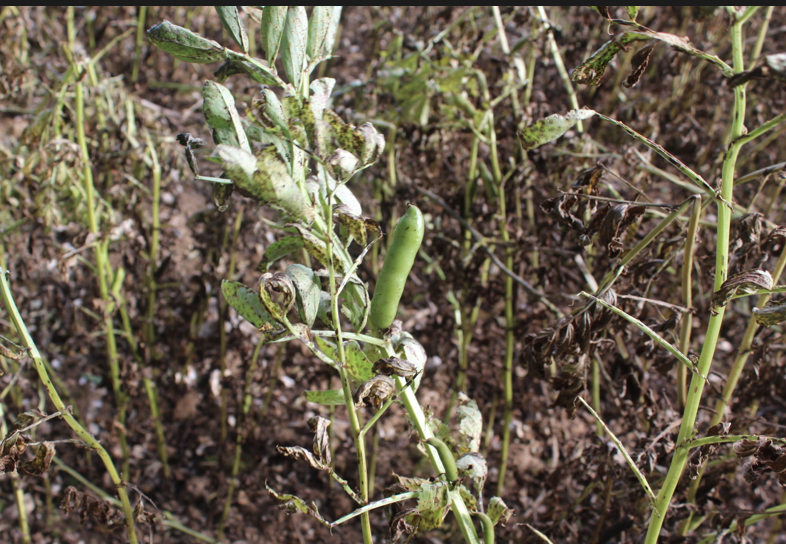
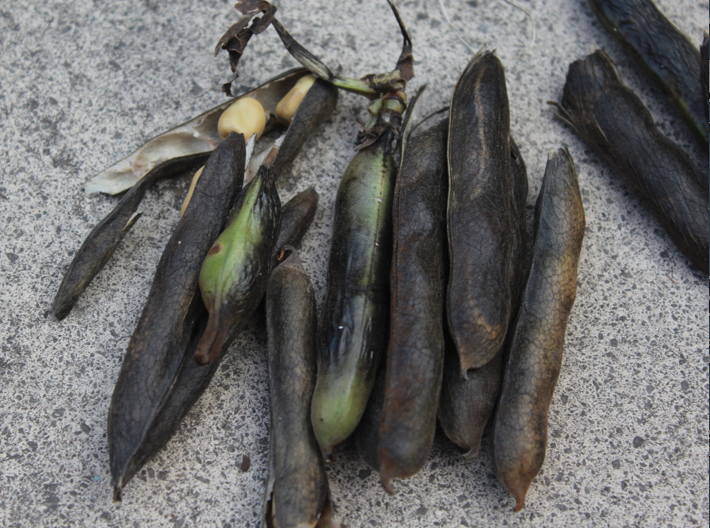
Amongst the golden ripeness, we came across a field where its entire crop of broad beans were devastated by the hot summer we are having.

“Oh no,” I said, with feeling. I remember what my father told me about his childhood: he had grown up in a farm, and one summer, a whole field of crop was ruined, with just one blade standing. A lone tear rolled down my father’s cheek, all those decades later.

Screen Shot 2018-07-18 at 19.10.22
“What happened, Jacqueline?” Little Berti asked. He slipped his tiny hand in mine. The youngest of the triplets, he was particularly in tune with my emotions.

“The sun, it destroyed this whole field. There was no rain, so the plants burned.”

“Why didn’t the farmer water his plants?” Christian asked.

“Because the cost of watering this large field, so far from a water source, would cost more than his crop.”

“Let’s pick the alive ones to eat,” Alex said.

Screen Shot 2018-07-18 at 19.10.09.png

And with the wisdom of an old soul, Berti (named after Umberto Ecco) said firmly, “We will take the seeds home to plant them, so that they may grow again next year.”

My heart soared at those words for this is the most precious lesson of all, that life is kindness and cruelty, good times and bad times, but we must have hope always ❤

Drying the seeds in the sun for next season, may God bless us:

Screen Shot 2018-07-18 at 19.22.14


The best schooling for your child

This is the Oratory School, London.  It was reputed to be the best.

It rejected my son Kit.

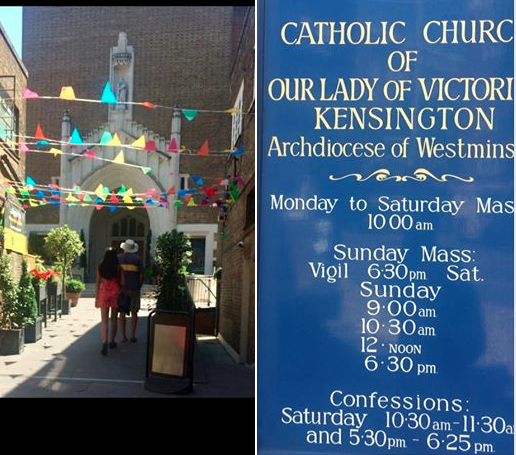
Kit was 10 when we applied for him to attend this school in 2000.  We had lived in nearby South Kensington and all my children attended the Oratory’s feeder school, Our Lady of Victories RC Primary school. We attend the Our Lady of Victories Church regularly – three of my children were baptised at the church – and still attend this church.

Screen Shot 2018-06-28 at 13.37.51

Additionally, Kit’s father was also the head of faculty at St Thomas Aquinas in Birmingham, an Oratory school.

On the day of the interview, Kit cycled to the London Oratory School on his own. He was a confident, sporty sort of chap and though not terribly academic, he was not that bad in his studies.

But The Oratory School rejected him after the interview.  We were flabbergasted, as we were not allowed to apply to the other Catholic school in the area, Cardinal Vaughn. The choice was either or: you couldn’t apply to both.

As Catholic education was very important to us, we decided – with heavy hearts – to send him to school near his grandparents: to St Simon Stock all the way in Kent. He had to take two trains to get to school each day and once, he was picked on very severely by bullies on his journey to school. And my boy had not even turned 12 then.

But with his indomitable spirit, he won medals and trophies in karate and go-carting.

After that, we moved abroad and Kit had three years at an international school. He got his International Awards, did passably well in his studies, collected great experiences as he embraced everything in his robust, enthusiastic and boisterous way.

At 18, he decided to join the Royal Navy. Much to our surprise, he passed the Admiralty Interview Board with flying colours! We knew he would pass the Fitness Selection Test easily, but AIB???? He was up against other 18-year-olds who went to Welbeck College and /or came from distinguished naval families.

And so, Kit began his degree in Mechanical Engineering at Southampton University, fully funded by the Royal Navy. Whilst there, he added on to his arsenal of medals: in boxing and fencing.  After his first degree, the Royal Navy paid for him to do a Masters, and then he went on for officer training at Dartmouth Royal Naval College in the UK and Annapolis Naval Academy in the US. He went on foreign tours of duty (including six months in the Middle East) before being awarded the prestigious job as the Deputy Weapons Engineer on the Queen Elizabeth, a post he held for two years during the building of the aircraft carrier. The biggest accolade for him, however, was when he was picked to be the Day Officer when the crew of 600+ came onboard. When his 2-year posting ended, he was invited to do a second Masters, this time in Guided Missiles Technology, which he is completing now, before his next posting, working towards his next promotion to Lieutenant Commander. He is often on TV and newspapers (the photo on the right was from Daily Mail and the one below is a screenshot from BBC’s recent programme, Britain’s Biggest Warship):

Screen Shot 2018-06-28 at 18.21.27

His whole life is his job. He is ambitious and embraces all the experiences the Royal Navy gives him. He took up every opportunity that was offered to him and did well.

Screen Shot 2018-06-28 at 14.04.15.png

So this is the boy that the Oratory School deemed to be “not good enough” or “not right” for its hallowed halls. I’m glad it didn’t affect him. It wasn’t the “best” school anyway, but one of the many. And Kit certainly has not lost out by not going to this school.

Ironically, my grown-up children now live within 100 metres from the school, next to Brompton Park, and as I walked past the schoolboys heading for the school today, I want to get this message out to all parents:

The concept of “best” school does not exist. The best is already in your child. Nurture it in the home. School is just part of the story.


Environmentally friendly educational toys

When my children were tiny, I caused some bad feelings amongst family members because I banned plastic toys: I politely refused to accept those noisy, battery-operated, garish plastic monstrosity, especially those with flashing lights!

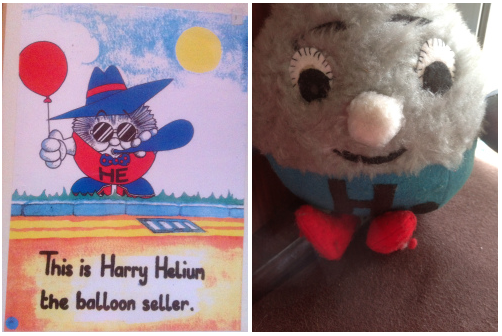
My parents-in-law used to make toys for my children: almost 30 years later, we still have some of those precious toys (Photo: Harry Helium, made by my mother-in-law based on a story I wrote).

Screen Shot 2016-04-17 at 15.37.21.png

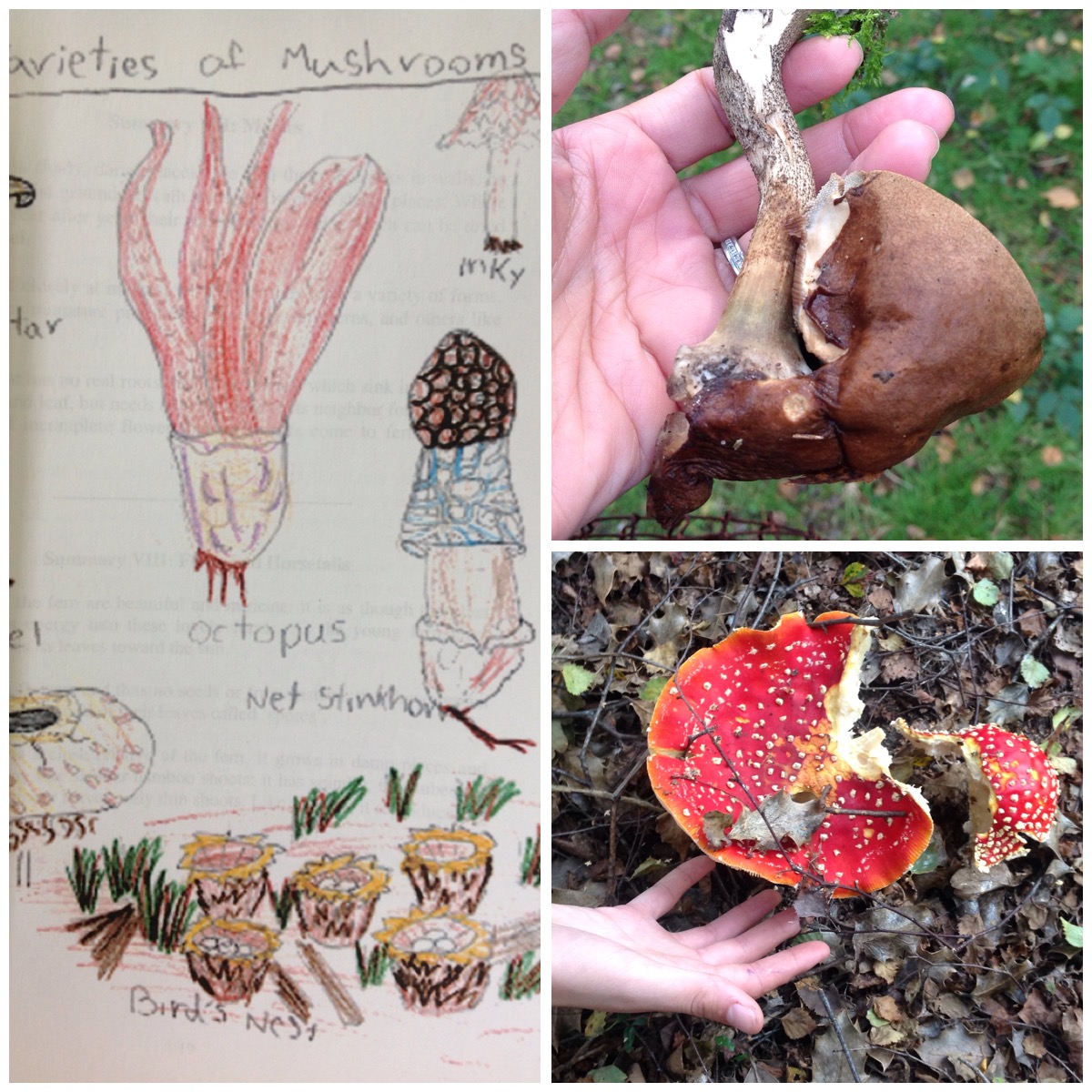
My parents, who weren’t so good with the sewing machine or saw, entertained the children with nature (Photo: drawing from 30 years ago!)

mushrooms.jpg

No, they did not suffer not owning any plastic toys. They made their own with discarded packaging and stuff they find around the house (Photo: the two sisters making something).

DSC00123.JPG

When my got older, I softened my stance a bit and allowed Legos into the house. But by then, they had gotten over the idea that toys are fun. They much preferred pets, and at one stage, we had two dogs, two cats and eleven rabbits. That rather large menagerie did not leave them much time for gadgets either!

Screen Shot 2018-06-03 at 16.34.15

Recently, I visited my children’s father’s classroom (he teaches Design & Technology) and saw these Chinese puzzles that his Year 8 students made. It took them only 2 lessons and provided lots of educational fun:

This can be made environmentally friendly by suing softwood. The design is from MYP Design & Technology textbook published by IBID Press.

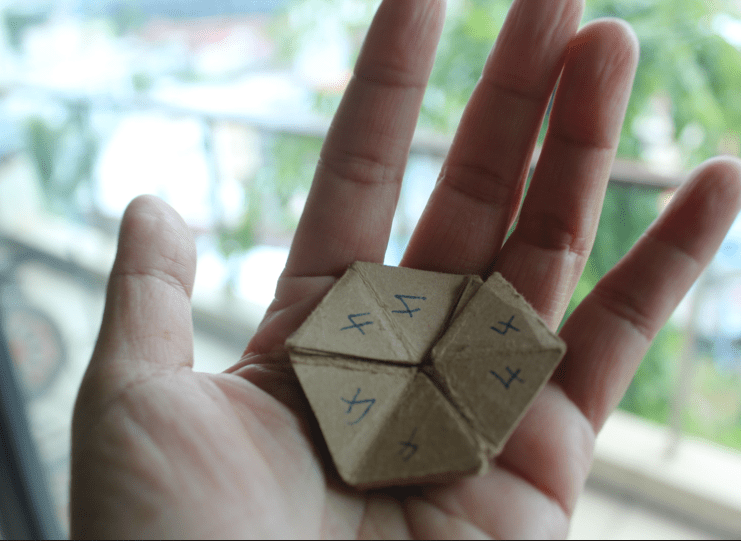
Here is something you can make simply at home with your children, using paper or even flour tortilla! A hexaflaxagon that my daughter made:

Screen Shot 2018-06-03 at 14.59.56

Here are the instructions. Have fun!!!


Here’s an innovative company repurposing plastic toys: