
In developed countries, we are often far removed from the source of our food. For example, though bread is a staple in the modern diet, a large proportion of children do not know how their bread is made or exactly where the loaf comes from.
As adults, without that basic knowledge of food, they are more likely to make bad choices. For example, a mass-produced loaf of bread is crammed with chemicals to keep them fresh longer: calcium propionate, amylase, chlorine dioxide and L-cysteine hydrochloride, to name but a few; or more familiar, fat, bleach, emulsifiers. You know these additives are not going to be good for you from their names.
Yet, the traditional bread needs only four ingredients: Flour, yeast, water and salt. It is also part of traditional country life; there is nothing more awe-inspiring than a working mill. The one at the Food Museum in Stowmarket, Suffolk, UK, has a restored mill that actually produces flour from wheat and barley grown locally.
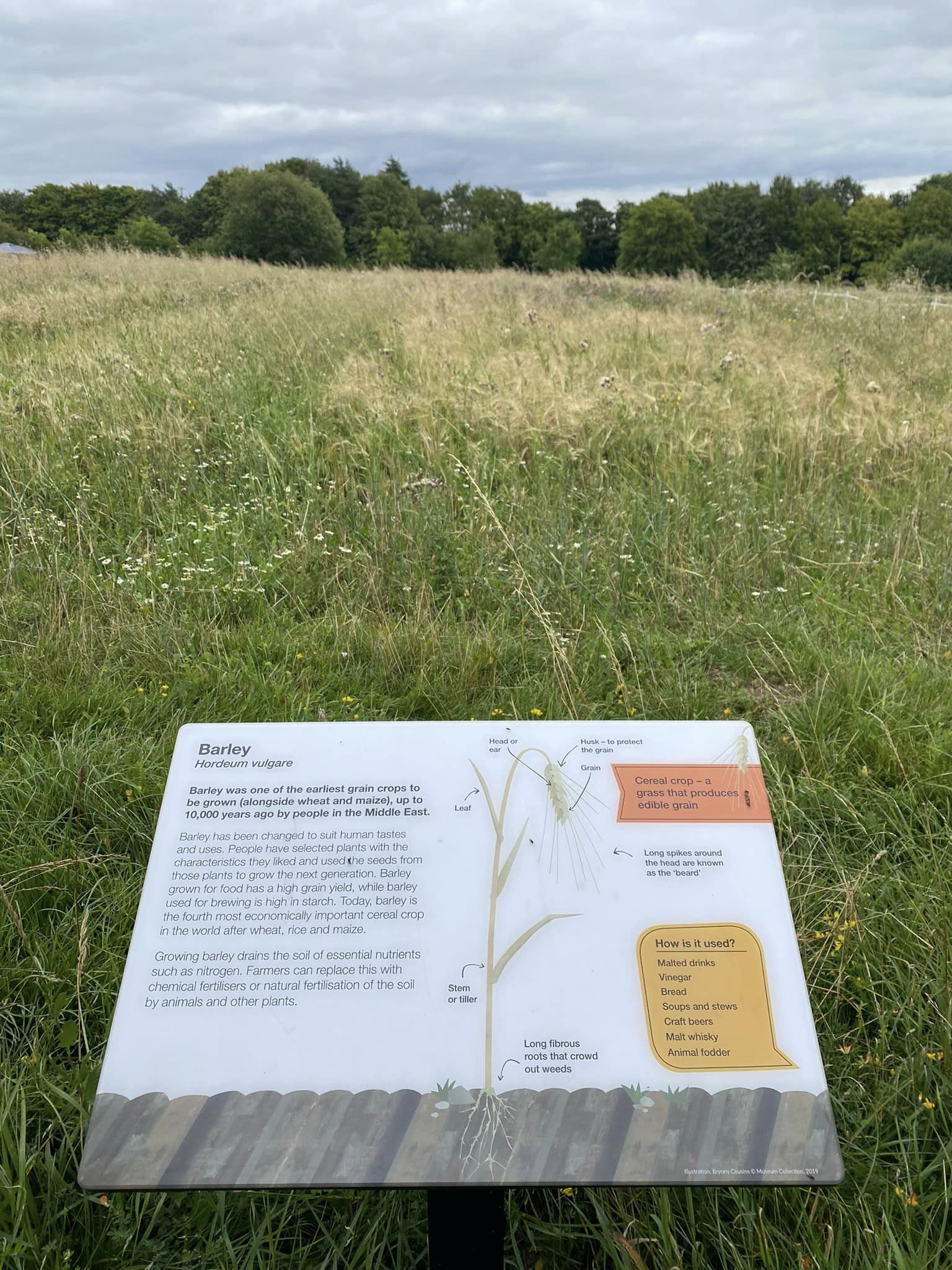
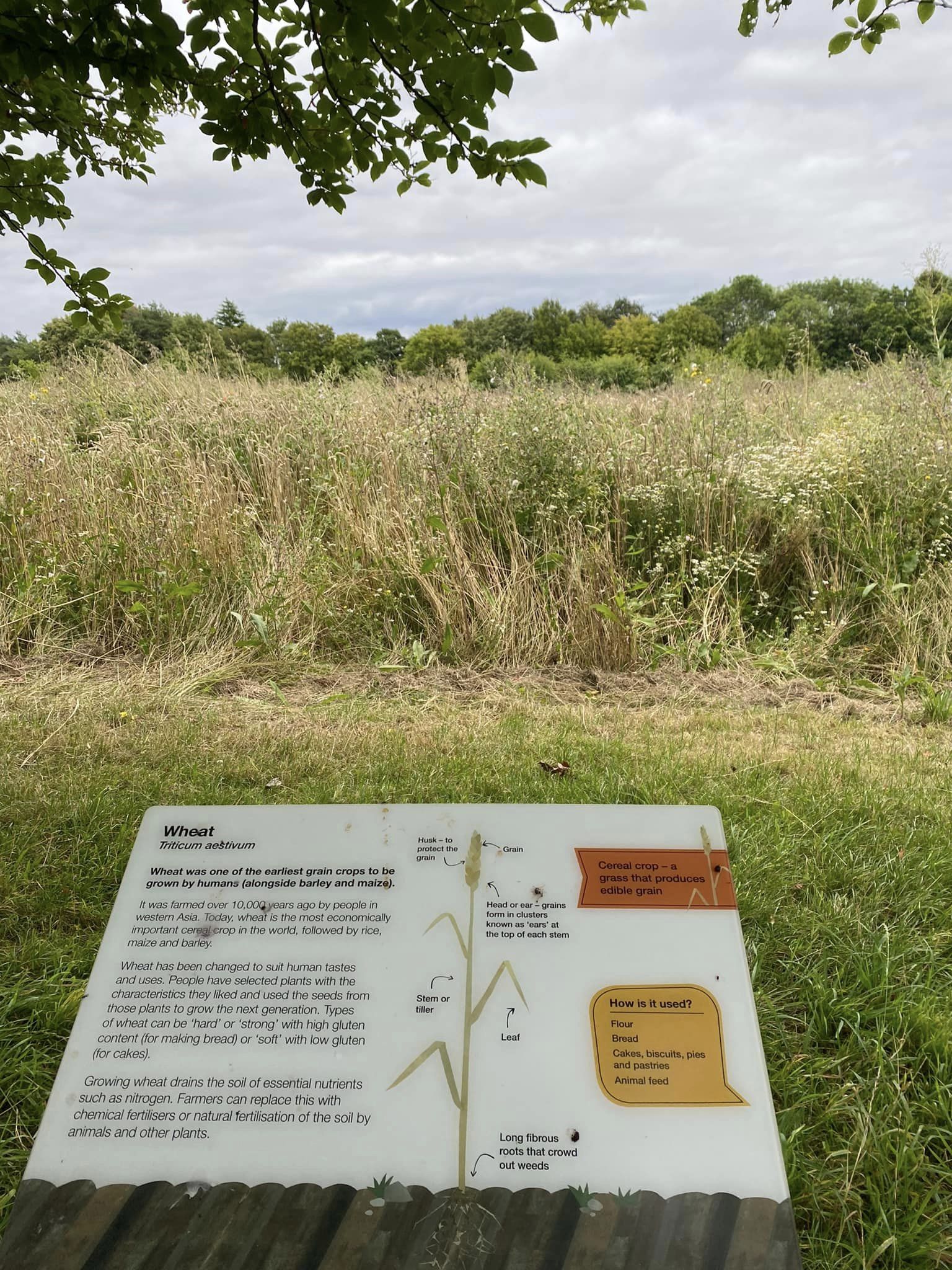
The water mill turns the wheel which then grinds the grains down to flour. Interesting to note that the mill is spotlessly clean – as cobwebs, etc, are a fire hazard. I was also most interested to hear that the miller has to use all his senses to ensure that the millstones don’t rub against each other, which will cause fire. It is indeed skilled work, when done traditionally.


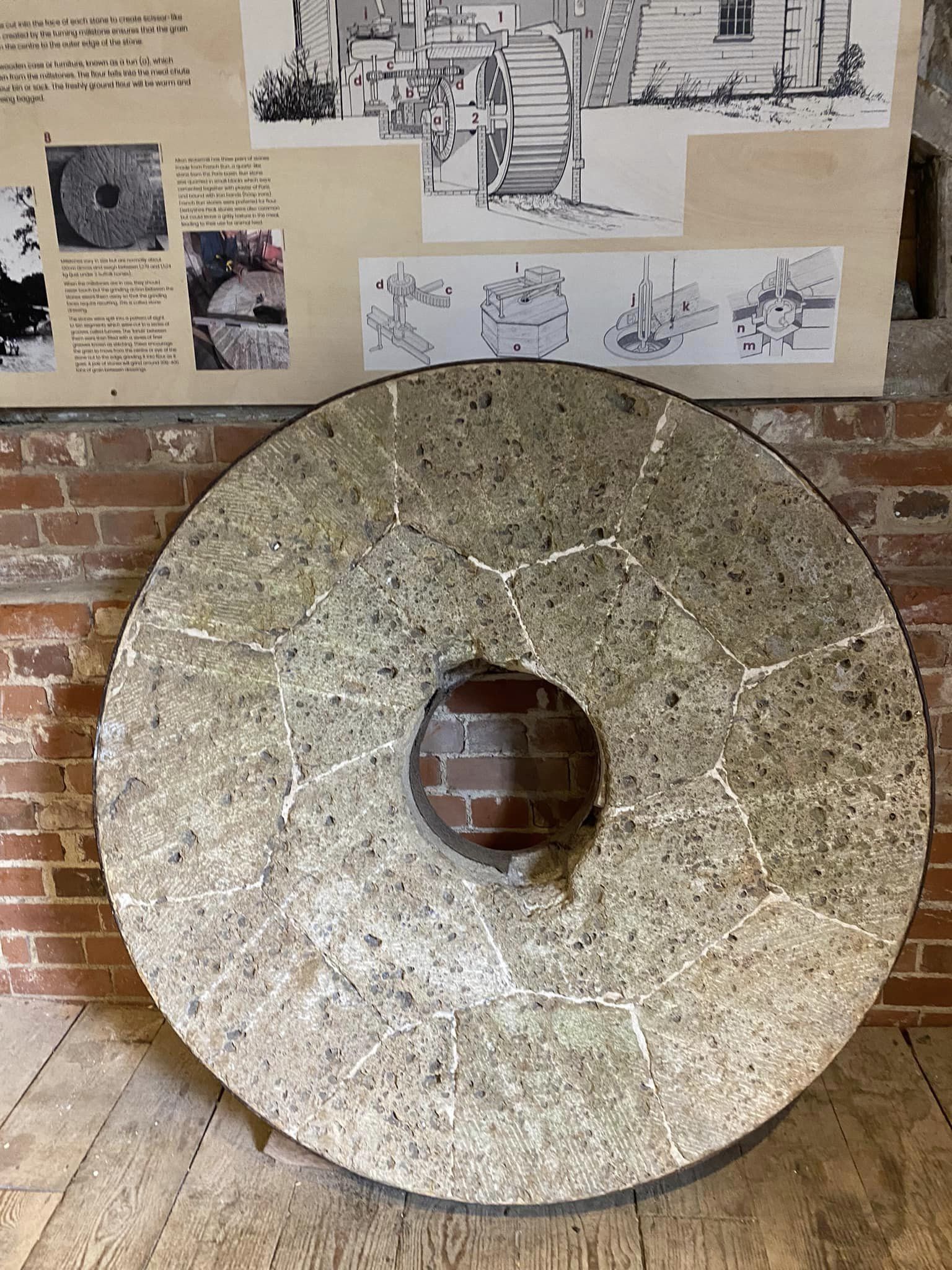
Photo below: the dreamy water mill that turns the wheel:

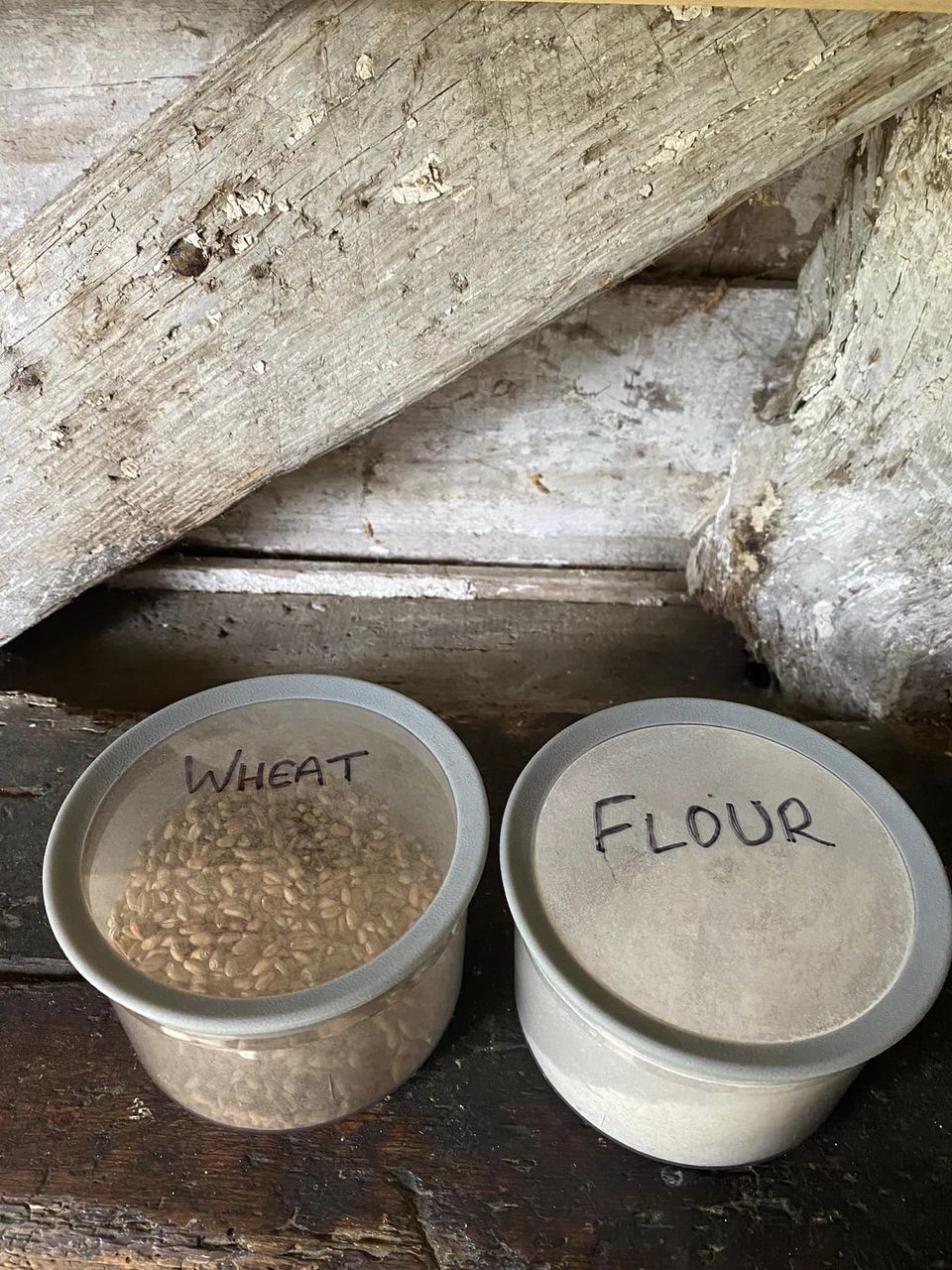

And here’s making bread the traditional way: minimal unprocessed ingredients, kneaded and shaped into hedgehogs. It’s a fun and wonderful educational activity for children of all ages!


 raisinghappystrongkids