“Do bread grow on trees?”

In developed countries, we are often far removed from the source of our food. For example, though bread is a staple in the modern diet, a large proportion of children do not know how their bread is made or exactly where the loaf comes from. 

As adults, without that basic knowledge of food, they are more likely to make bad choices. For example, a mass-produced loaf of bread is crammed with chemicals to keep them fresh longer: calcium propionate, amylase, chlorine dioxide and L-cysteine hydrochloride, to name but a few; or more familiar, fat, bleach, emulsifiers. You know these additives are not going to be good for you from their names.

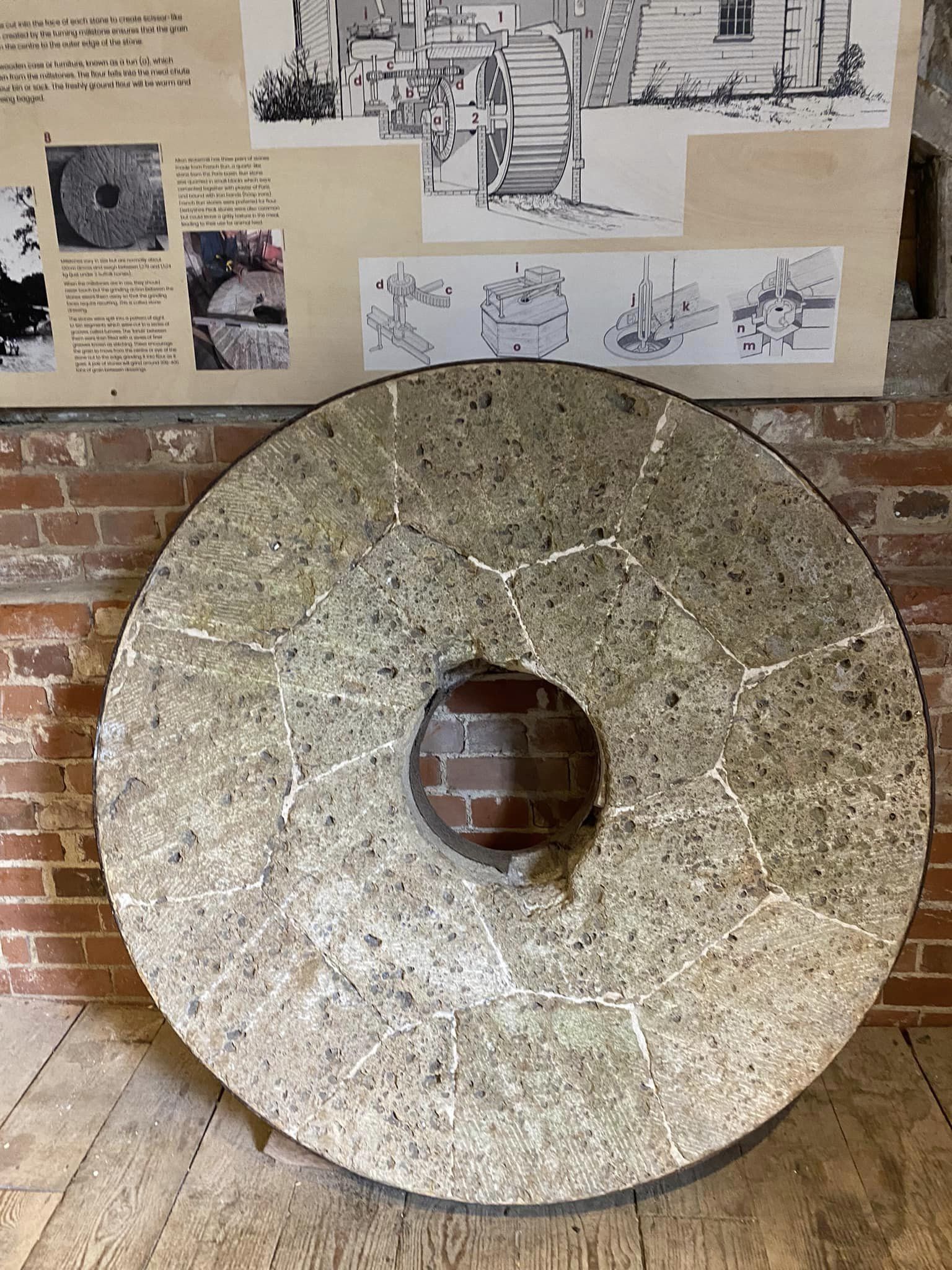
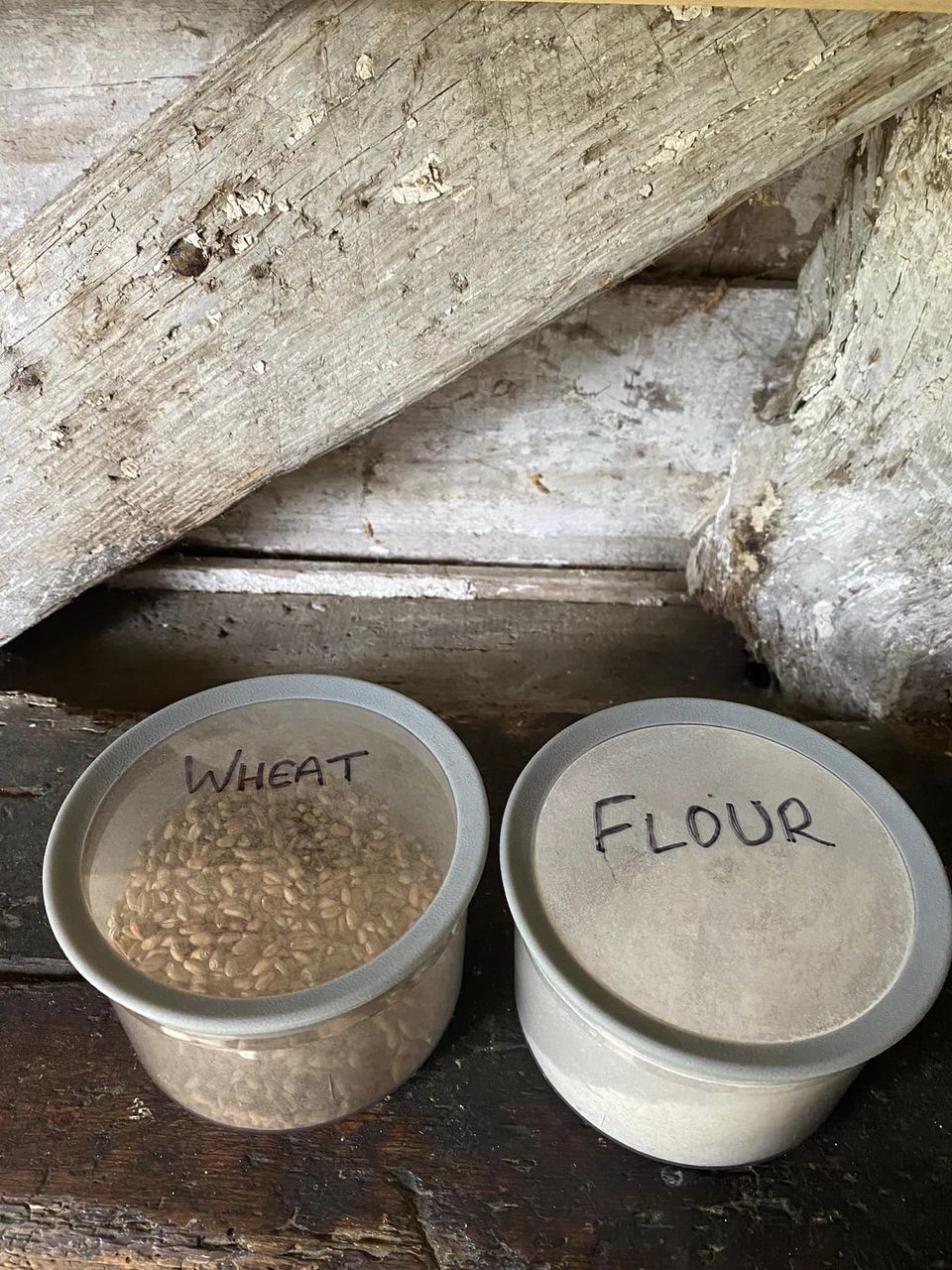
Yet, the traditional bread needs only four ingredients: Flour, yeast, water and salt. It is also part of traditional country life; there is nothing more awe-inspiring than a working mill. The one at the Food Museum in Stowmarket, Suffolk, UK, has a restored mill that actually produces flour from wheat and barley grown locally.
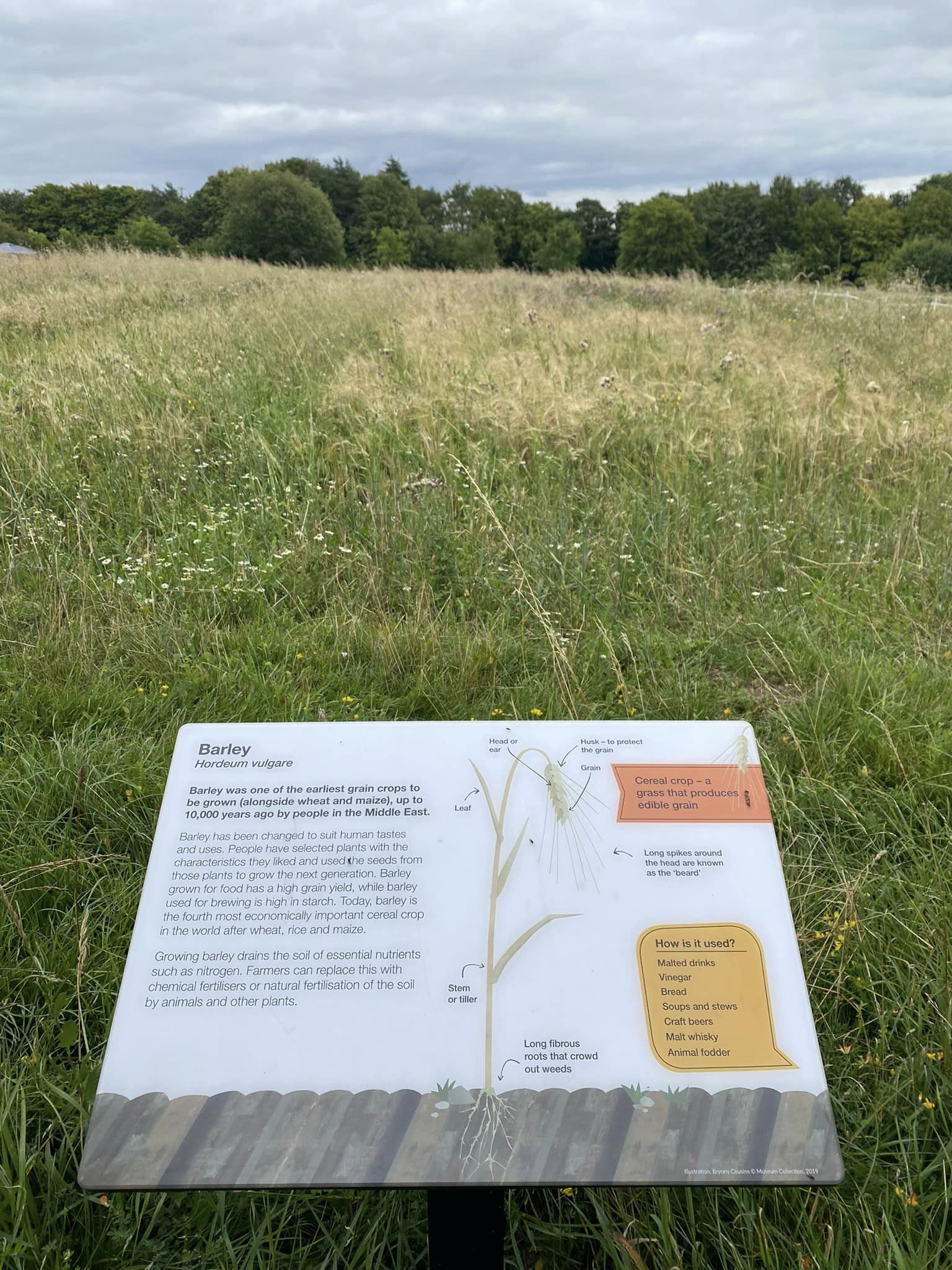
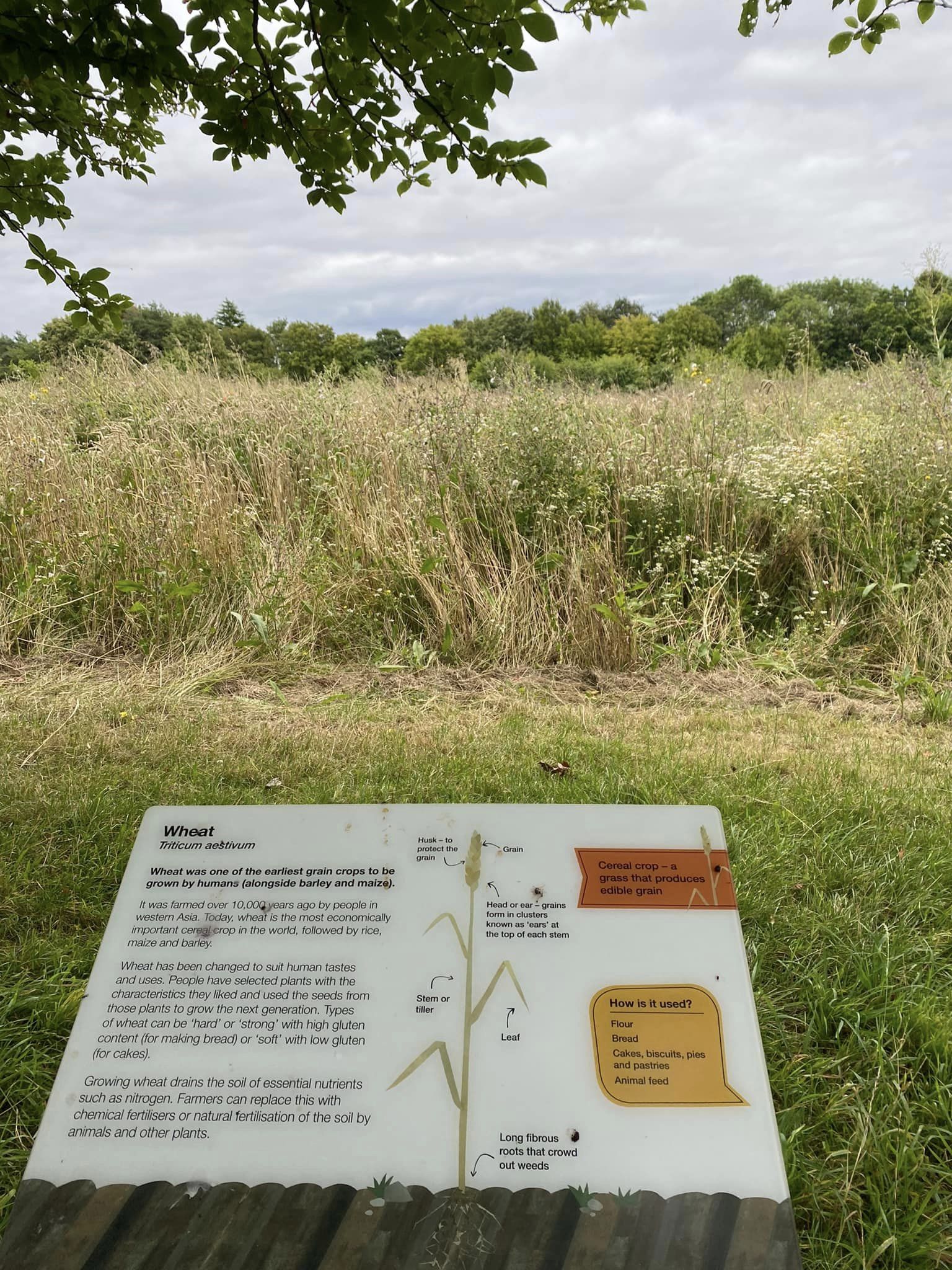
The water mill turns the wheel which then grinds the grains down to flour. Interesting to note that the mill is spotlessly clean – as cobwebs, etc, are a fire hazard. I was also most interested to hear that the miller has to use all his senses to ensure that the millstones don’t rub against each other, which will cause fire. It is indeed skilled work, when done traditionally.

Photo below: the dreamy water mill that turns the wheel:

And here’s making bread the traditional way: minimal unprocessed ingredients, kneaded and shaped into hedgehogs. It’s a fun and wonderful educational activity for children of all ages!

FUNDING GOAL REACHED (and more!)

Dear backers and supporters,

Firstly, I would like to thank you from the bottom of my heart for believing in what I do. Many of you do not even know me personally, yet you contributed to this campaign simply because you believed. It is not so much about raising the £2000 campaign target, but all about building a global e-community from scratch, with the people who genuinely want to grow plants, grow children and grow kindness. 

This campaign is a story about real people who make the world a better place. I would like to introduce you to Lisa Skraba, who reached out to a total stranger (me), with her cheque book and an offer to help my campaign, simply because she believed. 

Lisa herself is a talented writer and a very kind person. Her girls sold Christmas cactus cuttings that they nurtured to buy books to donate.

And this is me:

I am happiest when I am in my wellies and old clothes, gardening. Please stay in touch. Pop over to my book page and follow my blog. Sign up for my humble little catalogue (if you have missed out on ordering the books on Kickstarter), book me for a children’s gardening workshop, and more!

My latest blog posts – Of Children and Unloved Things and Sowing in July

To sign up for my blog, click here

The books and posters will now be printed by a local printer and posted to you. For those of you who purchased the e-book version, your copy will be winging its way to you in the next three weeks – please feel free to gift the e-book to as many people as you wish. Please share this message as widely as possible – be the enabler breeze that carries seeds x

In gratitude, Jacqueline

(card available for sale from cheeseplantbooks)

Ugly ostrich?!

Here’s a cultural thing: I am Asian, and (I am generalising here) we Asians often say our kids are ugly, stupid, naughty, etc, in a self-deprecating way. I am not sure of the origin of this practice but I am quite sure it is something to do with humility and ensuring children don’t get big-headed. Westerners are rather disapproving about this – after all, we must fill a child’s head with positive self-affirmations.

Anyway, I was pleasantly surprised to read the title of this book, Pudge Amazon and the UGLY OSTRICH. Eh, ugly? You could say ostriches are ugly – gawky long legs, awkward neck, bug eyed, bad skin – but you have to admit, they could be endearing. But this ostrich statue in a school got vandalised (maybe someone didn’t like the ugly ostrich and try to prettify it) and Pudge got the blame!

This is a charming whodunit about Pudge who tries to solve the mystery and embarks on a journey of self-discovery. You can buy this book here.

Of children and unloved things

This poem, by Nicolette Sowder, is among my favourites:

The sentiment in this poem is achingly beautiful, for the world needs more kind people who will speak for those without a voice, champion those who need strength, sit with the lonely, and love the unloved things. The future of our planet depends on that to combat the rising tide of greed and the empty culture of more, more, more.

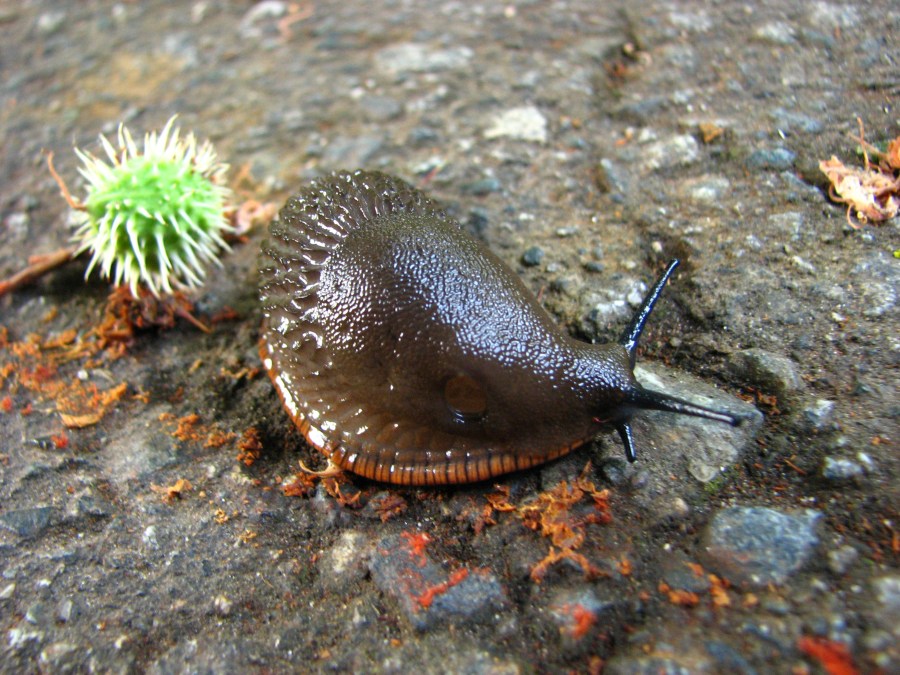
When you garden with your child, you teach them the very values in Sowder’s poem. When you relocate snails away from your lettuce patch (instead of killing them with slug pallets), when you build bug hotels, when you pay attention to leaves that are whispering to you that they are dehydrated/hot/over-watered, you are imbuing something precious in their young, absorbent hearts. And indeed, living in full awareness is a marvellous gift.

This is Girlie, a variegated cheese plant, who is feeling overwhelmed, because we had visitors staying over and lots of young people coming over:

Living in full awareness leads to fuller, more fulfilling inner lives. For example, have you ever walked past a patch of wildflowers and wondered who planted them? Was it council workers, birds or were the seeds carried by the wind? So many people walk straight past some of the most beautiful flowers you’ll ever see on this planet, oblivious to their delicate, natural beauty.

Last weekend, I walked past a stall selling plants. “£1,” the lady said, “It’s a Brahma Kamala.”

As a student of Sanskrit and author of Live Patanjali – Yoga Wisdom for Everyday Living, I am familiar with Brahma, the Hindu god of creation. So for £1, I brought this little plant with an impressive name home and learned something new about this plant, which lit a little light within me as I learned a little bit more about the magical world we live in.

If you are interested in learning how to get children started on gardening, please visit this page: The Handbook for Budding Little Gardeners contain all the know how you need to get started.

If you would like something to read, do consider this book. It is about why unloved things need to be loved.

You can purchase this book from Chelsea Green Publishing. Here’s an article from The Guardian is worth a read. Next time I’m doing a school talk, I’ll definitely bring a slug!

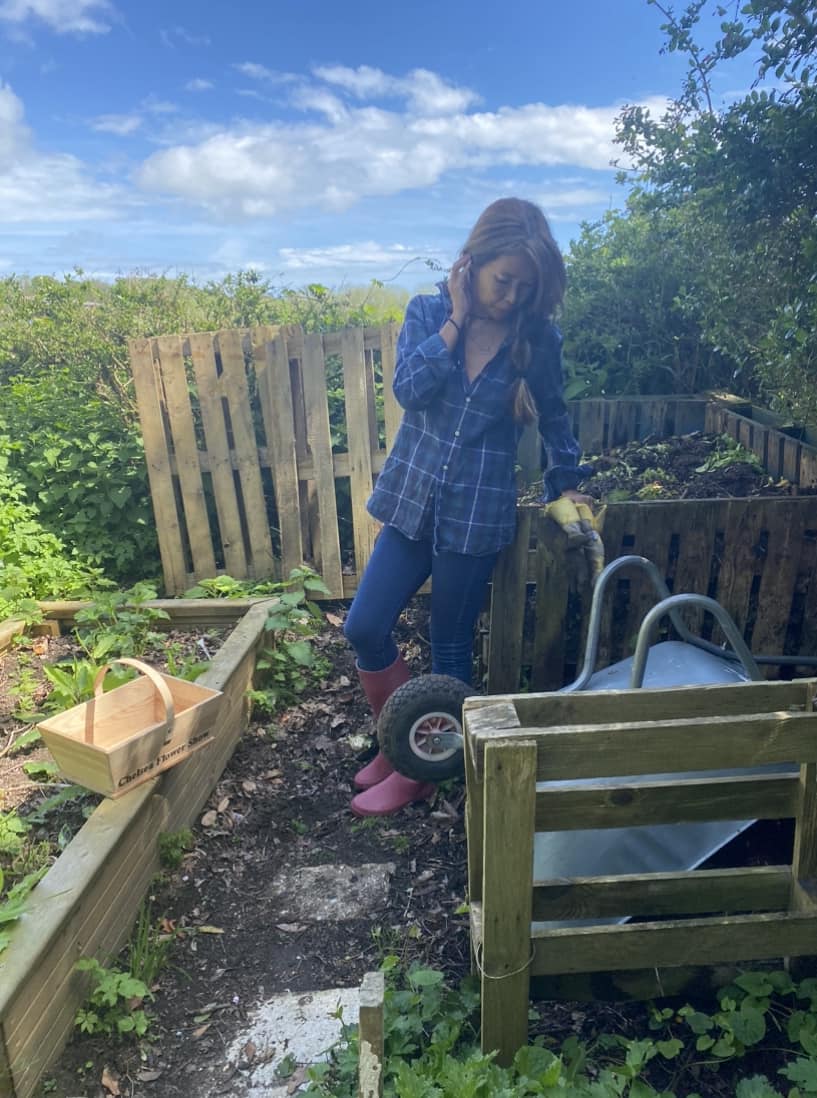
And here’s me relocating snails from my herb box into the compost heap, or sometimes, into the sheep farm where they will have a nice life munching grass with the sheep!

(Main photo used with permission from Creative Commons)

Growing Kids Who Garden

In the spirit of the old adage, “A picture speaks a thousand words”, I would like to share this picture with you:

I was at the London Permaculture Festival last weekend, and it was truly wonderful to see children being ‘free range’, learning about chickens, composting, bee-keeping, and lots of cool stuff to build a greener, kinder and more sustainable planet.

The folks from the Seed Saving Network was handing out free seeds and I came home with hollyhock as well as callalloo (never heard of them before) seeds:

This is the whole ethos behind this Kickstarter campaign: it is not to raise £2000, but to engage children in gardening during this year’s summer holidays. There is a whole tribe of us doing this already – please join us and be part of the movement!

The best thing is, you don’t need a garden to start gardening. Here’s the baby carrots I am growing on my dining table!

In this book, you will learn how to grow vegetables from the bits that you would normally throw away.

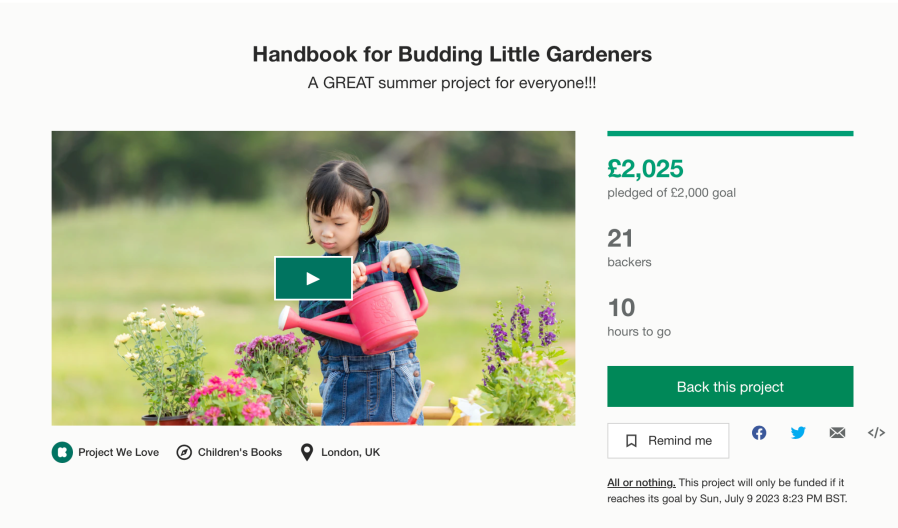
Please support this Kickstarter campaign. £5 gets you the e-book that you can gift as many people as you wish. By sharing this email, you are helping the campaign massively to achieve its goal. Please click on this link: https://www.kickstarter.com/projects/cheeseplantbooks/handbook-for-budding-little-gardeners?ref=user_menu

Please join this movement!

This is the book website: Handbook for Budding Little Gardeners